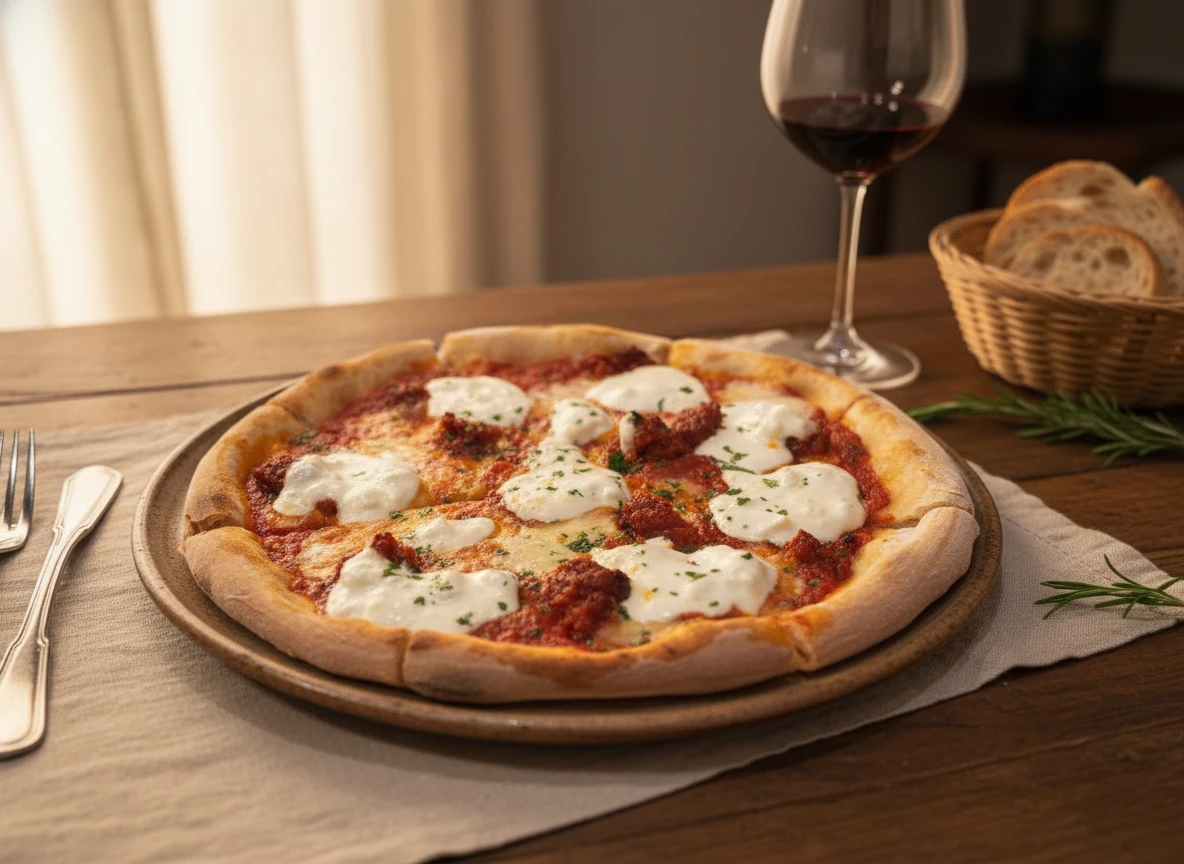
Whether you run a restaurant, manage a food brand, or sell products on delivery platforms, food photography cost is one of the first things you need to figure out. Great food images drive more orders, boost social media engagement, and elevate your brand — but the price tag varies dramatically depending on the route you take.
The truth is, there's no single answer to "how much does food photography cost?" A restaurant owner shooting dishes on an iPhone with a $20 backdrop has very different expenses than one hiring a commercial photographer for a full-day shoot. And in 2026, AI-powered tools have introduced an entirely new pricing tier that didn't exist just a few years ago.
In this guide, we'll walk through the real costs of every approach so you can decide where your budget is best spent.
Breaking Down Food Photography Costs
Food photography costs fall into three broad categories, each with its own price range, time commitment, and quality ceiling:
- DIY food photography: You handle everything yourself — camera, lighting, styling, and editing. Upfront equipment costs range from $300 to $3,500+, with ongoing expenses for software and props. Best for businesses that need frequent, everyday content.
- Professional food photography: You hire a photographer (and often a food stylist) for a dedicated shoot. Expect to pay $500 to $10,000+ per project depending on scope. Best for high-stakes campaigns, menus, and brand launches.
- AI-powered food photography: You upload existing photos and let AI transform them with professional lighting, styling, and backgrounds. Costs typically range from $0 to $50 per month. Best for businesses that need consistent, high-quality images at scale without a photoshoot.
Let's dig into each approach in detail.
DIY Food Photography: Equipment and Setup Costs
Doing your own food photography gives you complete control over timing and creative direction. But the equipment and learning investment adds up quickly. Here's what you'll need and what it costs:
Camera Body ($500 - $2,000)
You don't need the most expensive camera to take great food photos, but you do need one that handles low-light situations well and produces sharp images. An entry-level mirrorless camera like the Sony a6400 or Canon EOS R50 starts around $500-$800. Mid-range bodies like the Fujifilm X-T5 or Sony a7 III run $1,200-$2,000 and offer better sensor performance, which matters when you're shooting in restaurant lighting. A modern smartphone (iPhone 15 Pro or later, Samsung Galaxy S24 Ultra) can also work well for social media and delivery platforms, effectively reducing this cost to $0 if you already own one.
Lenses ($200 - $800)
A good lens matters more than the camera body for food photography. A 50mm f/1.8 prime lens ($200-$300) is the most popular starting point — it's sharp, creates beautiful background blur, and works well in low light. A macro lens ($400-$800) lets you capture close-up textures and details that make food images stand out. If you're using a kit zoom lens, you can start for free, but dedicated primes produce noticeably better results.
Lighting Equipment ($100 - $500)
Natural light from a window is free and produces beautiful food photos, but it's not always available or consistent. A basic continuous LED light panel ($50-$100) gives you control regardless of time of day. A more professional two-light setup with softboxes runs $200-$500 and lets you shape light to create depth and dimension. Reflectors ($10-$30) are an inexpensive way to fill shadows and should be in every food photographer's kit.
Backgrounds and Props ($50 - $300)
Backgrounds set the mood for your food photos. Vinyl or paper backdrops designed for food photography cost $15-$40 each — you'll want at least 3-4 different surfaces (marble, wood, dark slate, neutral linen). Props like plates, cutlery, napkins, and garnish bowls add another $50-$200 depending on how curated you want your collection. Many photographers build their prop collection gradually over time.
Editing Software ($10 - $55/month)
Post-processing is where good food photos become great ones. Adobe Lightroom ($10/month) is the industry standard for color correction and basic editing. The full Adobe Photography Plan including Photoshop runs $20/month. Capture One ($20-$55/month) is popular among professionals for its superior color handling. Free alternatives like Darktable or Snapseed can work for beginners, but you'll hit their limitations quickly as your skills develop.
Total DIY setup cost: $860 - $3,600 upfront, plus $10-$55/month for software. For a smartphone-based setup with minimal equipment, you could get started for as little as $150-$300.
Professional Food Photography Pricing
Hiring a professional food photographer delivers the highest quality results but comes at a premium. For a detailed breakdown of photographer rates and what affects pricing, see our complete guide on how much a food photographer costs.
Here's a quick summary of what you can expect to pay:
Hourly Rates
- Entry-level photographers: $75 - $150 per hour
- Experienced professionals: $150 - $300 per hour
- High-end commercial photographers: $300 - $500+ per hour
Project-Based Rates
- Small menu shoot (10-20 dishes): $500 - $2,500
- Medium menu shoot (20-50 dishes): $1,500 - $5,000
- Full restaurant or brand shoot: $3,000 - $10,000+
Keep in mind that these rates often don't include food styling ($300-$1,000/day extra), prop sourcing, studio rental, or extended usage rights. The total cost of a professional shoot is typically 20-40% higher than the photographer's quoted rate once all add-ons are factored in. If you're planning to go the professional route, our guide on hiring a food photographer walks you through finding the right person and preparing for the shoot.
AI-Powered Food Photography: A Cost-Effective Alternative
AI food photography tools represent the newest and most affordable approach to getting professional-looking food images. Instead of organizing a photoshoot, you upload existing photos — even casual smartphone shots — and AI transforms them with studio-quality lighting, elegant backgrounds, and professional composition.
Platora is one such tool designed specifically for restaurants and food businesses. You take a quick photo of your dish, upload it, and receive enhanced images styled for menus, delivery platforms, and social media within seconds.
Here's how the cost compares:
- Free tier: Most AI tools offer a limited number of free enhancements to get started
- Monthly subscriptions: $10 - $50/month for unlimited or high-volume usage
- Per-image pricing: $0.50 - $3 per enhanced image on some platforms
- No equipment needed: Your smartphone camera is sufficient
- No scheduling: Generate images on demand, any time, any day
For a restaurant with 40 menu items, AI food photography could cost as little as $20-$50 total compared to $1,500-$5,000 for a professional shoot. The trade-off is that AI works best for enhancement and styling rather than creating entirely original compositions — but for menus, delivery apps, and social media, the results are often indistinguishable from professional photography. To learn more about how this technology works, check out our article on AI food photography.
Hidden Costs to Consider
The sticker price of food photography rarely tells the full story. Here are the hidden costs that catch many businesses off guard:
Time Investment
DIY photography is "free" in terms of hiring costs, but your time has value. Setting up, shooting, and editing 30 menu items can easily take 15-25 hours for a beginner. If your time is worth $50/hour as a business owner, that's $750-$1,250 in opportunity cost — suddenly making a professional photographer look more reasonable.
Learning Curve
Photography, lighting, styling, and editing are all separate skills. Online courses ($50-$300) and hours of practice are needed before you'll consistently produce professional-quality results. Budget for at least 2-3 months of learning before your DIY photos match what a professional delivers on day one.
Consistency Challenges
When you update your menu with new dishes, each one needs to match the look and feel of your existing photos. Hiring the same photographer again means paying for another shoot. DIY means recreating the same lighting and styling setup — harder than it sounds if weeks or months have passed. AI tools have an advantage here, as they apply consistent styles automatically.
Reshoots and Revisions
Not every photo comes out right the first time. Professional photographers may charge for additional revision rounds or reshoot days. With DIY, a failed session means more of your time lost. Factor in an extra 10-20% buffer for reshoots when budgeting.
Storage and Organization
High-resolution food photography files are large — a single RAW image can be 25-50 MB. A full menu shoot might generate 500+ files. Cloud storage ($3-$10/month) or external hard drives ($50-$100) are ongoing costs that add up over time, especially if you shoot regularly.
Cost Comparison: Which Approach Is Right for You?
Here's how the three approaches stack up across the factors that matter most:
| Factor | DIY | Professional | AI-Powered |
|---|---|---|---|
| Upfront Cost | $300 - $3,500 | $0 | $0 |
| Cost per Project | $10 - $50 (consumables) | $500 - $10,000+ | $10 - $50/month |
| Quality Ceiling | Medium-High | Highest | High |
| Time Required | 15-25 hours | 2-4 hours (your time) | 30-60 minutes |
| Learning Curve | Steep | None | Minimal |
| Consistency | Variable | High (per session) | Very High |
| Scalability | Limited by time | Limited by budget | Highly scalable |
| Best For | Bloggers, small businesses | Campaigns, launches, cookbooks | Menus, delivery apps, social |
Many businesses find that a hybrid approach works best. Use AI tools for everyday menu and delivery platform photos, and invest in a professional photographer for hero images, advertising campaigns, and brand-defining visuals.
How to Reduce Food Photography Costs
Regardless of which approach you choose, these strategies will help you get more value from your food photography budget:
- Batch your shoots: Whether you're doing it yourself or hiring a professional, photographing 30-50 dishes in one session is far more cost-effective than shooting 5 dishes at a time. Professionals often offer better per-image rates for larger shoots.
- Use natural light when possible: A window with indirect sunlight produces beautiful, soft light for food — and it's completely free. Schedule shoots during the best light hours (usually late morning or early afternoon).
- Start with your smartphone: Modern smartphones produce excellent food photos, especially in good lighting. Skip the expensive camera until you've outgrown your phone's capabilities.
- Negotiate usage rights: If you only need photos for your website and social media, don't pay for commercial or print licensing. Be specific about your needs to avoid overpaying.
- Build a prop library gradually: Buy one or two new backgrounds and a few props each month rather than investing hundreds upfront. Thrift stores are excellent sources for unique plates, bowls, and textiles.
- Leverage AI enhancement: Take casual photos of your dishes and use AI tools to polish them to professional standards. This can replace the need for a full photoshoot for many everyday use cases.
- Repurpose your images: Crop, recolor, and restyle the same photos for different platforms. One great photo can become a menu image, an Instagram post, a delivery app listing, and a website banner.
ROI of Food Photography
Whatever you spend on food photography, think of it as an investment — not an expense. The data consistently shows that quality food images drive measurable business results:
- Delivery platform conversion: Menu items with professional photos receive up to 30% more orders than those without images, according to data from major delivery platforms.
- Social media engagement: High-quality food photos generate 2-3x more engagement (likes, saves, shares) than low-quality snapshots, directly impacting your organic reach.
- Average order value: Restaurants with professional menu photography report 15-25% higher average order values, as appetizing images encourage customers to add sides, desserts, and drinks.
- Brand perception: Your food photos are often the first impression potential customers have. Professional imagery signals quality and builds trust before a customer ever walks through your door or places an order.
Let's put this in perspective: if a restaurant generates $500,000 in annual revenue and professional food photography increases orders by even 10%, that's $50,000 in additional revenue — from a one-time investment of $1,000-$5,000. The ROI is overwhelming, which is why the most successful restaurants and food brands treat photography as one of their most important marketing investments.
Conclusion
Food photography cost depends entirely on the approach you take. DIY setups run $300-$3,500 upfront plus your time. Professional shoots range from $500 to $10,000+ per project. AI-powered tools offer a new path at $10-$50 per month with minimal time investment.
For most restaurants and food businesses, the best strategy combines two or more approaches: use AI tools like Platora for everyday menu and delivery platform images, and reserve professional photography for major brand moments, advertising campaigns, and flagship content.
The most important thing is to start investing in better food imagery today. Whether you pick up your smartphone, book a photographer, or try an AI enhancement tool, every improvement to your food photos translates directly into more customers and higher revenue.