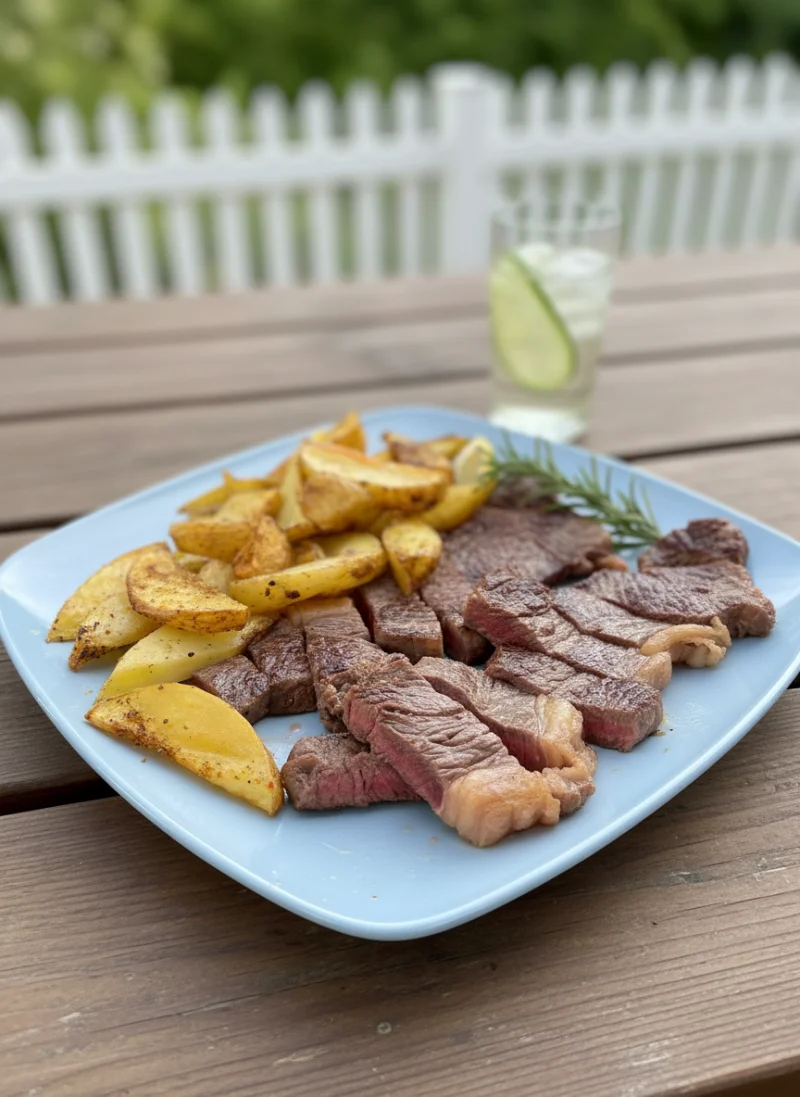
Modern smartphones have cameras that rival professional equipment from just a few years ago. Whether you're a restaurant owner updating your menu, a food blogger building your brand, or a chef showcasing your creations, your phone can produce stunning food photography—if you know how to use it.
In this guide, we'll cover everything from camera settings to composition techniques that will help you take professional-looking food photos with nothing more than the phone in your pocket.
Essential Camera Settings for Food Photography
Turn Off Flash—Always
This is the most important rule of smartphone food photography. Never use your phone's built-in flash. It creates harsh, unflattering light that makes food look greasy, washed out, and unappetizing. Natural or ambient light will always produce better results.
Lock Your Exposure and Focus
Tap and hold on your food to lock focus and exposure. This prevents the camera from constantly readjusting as you move. On iPhone, you'll see "AE/AF Lock" appear. On Android, the process varies but most phones support this feature.
Adjust Exposure Manually
After tapping to focus, slide up or down (iPhone) or use the exposure slider (Android) to brighten or darken the image. For food photography, slightly overexposing (brightening) often produces more appetizing results, especially in darker environments.
Use the Standard Lens (1x)
While ultra-wide and telephoto lenses are great for other subjects, the standard 1x lens is usually best for food. It provides natural-looking proportions without distortion. If you want a tighter shot, physically move closer rather than using digital zoom.
Enable Grid Lines
Turn on the grid overlay in your camera settings. This helps you apply the rule of thirds and keep horizons level—two fundamentals of good composition.
Lighting Tips for Smartphone Food Photography
Find Natural Light
Natural window light is your best friend. Position your food near a window, ideally with the light coming from the side or behind the dish. This creates beautiful highlights and gentle shadows that give your food dimension.
Avoid Overhead Lights
Restaurant and kitchen overhead lights often create unflattering top-down shadows and can introduce color casts. If possible, turn off overhead lights and rely on natural light. If you must shoot in artificial light, avoid mixing different light sources.
Use a Reflector (Or Improvise)
A piece of white paper, a napkin, or a white plate can bounce light back into shadows, creating more even illumination. Position it opposite your light source, angled toward the shadowed side of your food.
Shoot During Golden Hour
If you're photographing outdoors or near windows, the warm light during early morning or late afternoon (golden hour) is incredibly flattering for food. It adds warmth and a natural glow that makes dishes look more appetizing.
Composition Techniques
Choose the Right Angle
Different dishes look best from different angles:
- Top-down (90°): Perfect for flat-lay dishes like pizza, salads, grain bowls, and beautifully arranged platters
- 45-degree angle: The most versatile angle; great for most plated dishes, burgers, sandwiches
- Straight-on (0°): Best for tall items like stacked pancakes, burgers, layer cakes, and drinks
Apply the Rule of Thirds
Using your grid lines, position the main subject at one of the four intersection points rather than dead center. This creates more dynamic, visually interesting compositions.
Leave Breathing Room
Don't fill every inch of the frame. Negative space (empty areas) gives your food room to breathe and draws attention to the main subject. A clean background is often more appealing than a cluttered one.
Mind Your Background
A messy or distracting background can ruin an otherwise great photo. Use simple surfaces: wooden tables, marble counters, neutral placemats, or even a plain wall. Keep the focus on the food.
Quick Styling Tips
- Wipe the plate edges: A quick napkin swipe removes drips and splashes for a cleaner look
- Add fresh garnishes: A sprig of herbs, a sprinkle of sesame seeds, or a drizzle of sauce adds visual interest
- Show texture: Arrange food to reveal textures—the caramelization on meat, the flakiness of pastry, the crunch of vegetables
- Use odd numbers: Groups of 3 or 5 items are more visually appealing than even numbers
- Add context: A fork, napkin, or hand reaching for the food tells a story and adds authenticity
iPhone-Specific Tips
- Use Portrait Mode carefully: It can create beautiful background blur, but sometimes struggles with complex food arrangements. Test it and use standard mode as backup.
- Shoot in HEIF or ProRAW: These formats preserve more image data for editing
- Use the 2x telephoto: On Pro models, the 2x or 3x lens can provide nice compression and background separation
- Try Photographic Styles: Styles like "Rich Contrast" or "Vibrant" can enhance food photos in-camera
Android-Specific Tips
- Use Pro/Manual mode: Many Android phones offer manual controls for ISO, shutter speed, and white balance
- Shoot in RAW: If your phone supports it, RAW files give you more editing flexibility
- Explore Food modes: Samsung and other manufacturers include specific food photography modes that enhance colors and saturation
- Use third-party camera apps: Apps like ProCam or Camera FV-5 offer more control than default camera apps
Common Mistakes to Avoid
- Shooting in low light: Move to better light rather than pushing ISO, which adds noise
- Using digital zoom: It degrades quality; move closer physically or crop later
- Over-editing: Heavy saturation and contrast make food look artificial
- Dirty lens: Wipe your lens before every shoot—fingerprints create hazy images
- Unstable shots: Brace your elbows or use a tripod/phone stand for sharper images
Enhancing Your Smartphone Photos with AI
Even great smartphone photos can be improved with the right tools. Platora uses AI to enhance your smartphone food photography by:
- Improving lighting and exposure
- Enhancing colors to make food more appetizing
- Adjusting backgrounds for a cleaner look
- Applying professional photography styles
- Creating consistent looks across your entire menu
Conclusion
You don't need a professional camera to create compelling food photography. With the right techniques—proper lighting, thoughtful composition, and careful attention to detail—your smartphone can produce images that rival professional results.
Start with natural light and simple compositions, practice regularly, and gradually incorporate more advanced techniques. Combined with AI enhancement tools, your smartphone can become a powerful tool for showcasing your culinary creations.