Your restaurant's menu changes with the seasons — so why do so many businesses keep the same food photos year-round? Seasonal menu photography is one of the most effective yet underused strategies for keeping your brand fresh, your social media feeds engaging, and your customers excited about what's on the table.
Diners today are more visual than ever. They scroll through Instagram, browse delivery apps, and check Google listings before deciding where to eat. If your photos still show a heavy winter stew in July or a light summer salad in December, there's an immediate disconnect between what they see and what they expect. That disconnect costs you orders.
In this guide, we'll walk through why seasonal updates matter, what each season calls for in terms of food photography style, and how to build a practical photography calendar that keeps your visual content aligned with your menu — without breaking the budget.
Why Seasonal Updates Matter
Updating your food photography seasonally isn't just about aesthetics — it has a direct impact on customer behavior and business performance. Here's why it matters:
Customer Expectations Are Seasonal
People crave different foods at different times of the year. In autumn, they want warmth, comfort, and richness. In summer, they want freshness, color, and lighter fare. When your photos match these seasonal cravings, customers feel an instant connection to your menu. Research shows that visually congruent food images — photos that match the viewer's current mood and environment — generate significantly higher purchase intent.
Social Media Demands Freshness
Social media algorithms reward new content. If you're recycling the same food photos month after month, your engagement will decline. Seasonal photography gives you a natural content calendar — new photos every quarter mean new posts, new stories, and new reasons for followers to interact with your brand. Restaurants that post seasonal food content see 25-40% higher engagement rates compared to those that recycle the same imagery.
Competitive Advantage
Most restaurants update their photos once — when they first launch — and never touch them again. By refreshing your imagery seasonally, you immediately stand out from competitors who are still showing dated visuals. On delivery platforms where customers are comparing multiple restaurants side by side, fresh, seasonally appropriate photos can be the deciding factor between your restaurant and the one below it.
Spring Menu Photography
Spring is about renewal, lightness, and fresh starts. Your food photography should reflect that energy with bright, airy compositions that feel alive and inviting.
Color Palette and Mood
Lean into pastel tones and soft greens. Think mint, blush pink, lavender, and pale yellow. Backgrounds should be light — white marble, light wood, or linen textures work beautifully. The overall mood should feel clean and optimistic, like a sunny morning after a long winter.
Ingredients and Styling
Highlight spring produce: asparagus, peas, strawberries, fresh herbs, edible flowers, radishes, and artichokes. Garnish with microgreens and herb sprigs. Use lightweight plating — delicate ceramic bowls, simple white plates, and glass drinkware that lets light pass through. Avoid heavy sauces or dense presentations that feel wintery.
Lighting and Settings
Natural light is your best friend in spring photography. Soft, diffused daylight from a window creates the gentle, fresh look that defines this season. If shooting outdoors, patio and garden settings with natural greenery in the background add an authentic springtime feel. Keep shadows soft and minimal — spring photos should feel open and welcoming, not dramatic or moody.
Summer Menu Photography
Summer is bold, vibrant, and energetic. Your food photos should pop with color and convey refreshment. This is the season to be loud, bright, and unapologetically vivid.
Color Palette and Mood
Go saturated and warm. Bright reds, oranges, deep greens, sunny yellows, and ocean blues set the tone. Backgrounds can be more colorful than other seasons — think bright tiles, terracotta surfaces, or bold tablecloths. The mood should be fun, relaxed, and inviting, like a weekend cookout or a beachside meal.
Cold Dishes and Drinks
Summer is the season for cold and refreshing items: iced cocktails, fresh salads, chilled soups, smoothie bowls, ice cream, and grilled dishes. Capture condensation on glasses, frost on frozen desserts, and the gleam of fresh fruit. Movement matters too — pour shots, splashes, and dripping sauces add dynamism. Include garnishes like citrus slices, fresh mint, or edible flowers to amplify the freshness.
Lighting and Settings
Bright, direct natural light works well for summer photography — it creates the high-contrast, sun-drenched look people associate with the season. Harsh shadows can actually work in your favor here, adding drama and energy that suit the summer vibe. Outdoor settings, rooftop scenes, and beachside compositions all reinforce the seasonal feel. If shooting indoors, use bright white or warm-toned backgrounds to maintain that sunlit energy.
Fall Menu Photography
Fall is rich, warm, and deeply textured. This is the season for comfort food and cozy atmospheres, and your photography should wrap the viewer in that feeling before they take a single bite.
Color Palette and Mood
Warm earth tones dominate: burnt orange, deep red, golden amber, chocolate brown, and olive green. Backgrounds should have texture and warmth — dark wood, weathered barn board, burlap, or slate. The mood is intimate and grounded. Think candlelit dinners, farmers' market hauls, and Sunday afternoon cooking.
Comfort Food and Rustic Styling
Fall is the season of soups, stews, roasted vegetables, baked goods, and warm drinks. Showcase steam rising from bowls, crusty bread torn open, and generous portions that feel hearty and satisfying. Use rustic props — cast iron skillets, handmade pottery, wooden spoons, copper mugs, and woven placemats. Layer your compositions with breadcrumbs, scattered herbs, and imperfect arrangements that feel home-cooked rather than overly styled.
Lighting and Settings
Moody, directional lighting defines fall food photography. Side lighting with deep, warm shadows creates the dramatic, cozy atmosphere this season demands. Use a lower color temperature in your editing — warmer whites and golden highlights reinforce the autumn feeling. Window light on an overcast day provides naturally moody illumination, or use a single warm-toned artificial light to simulate late-afternoon golden hour.
Winter Menu Photography
Winter photography is about warmth against the cold — cozy interiors, rich flavors, and indulgent dishes that make people want to come inside and sit down. It's also the season of holidays, celebrations, and premium dining.
Color Palette and Mood
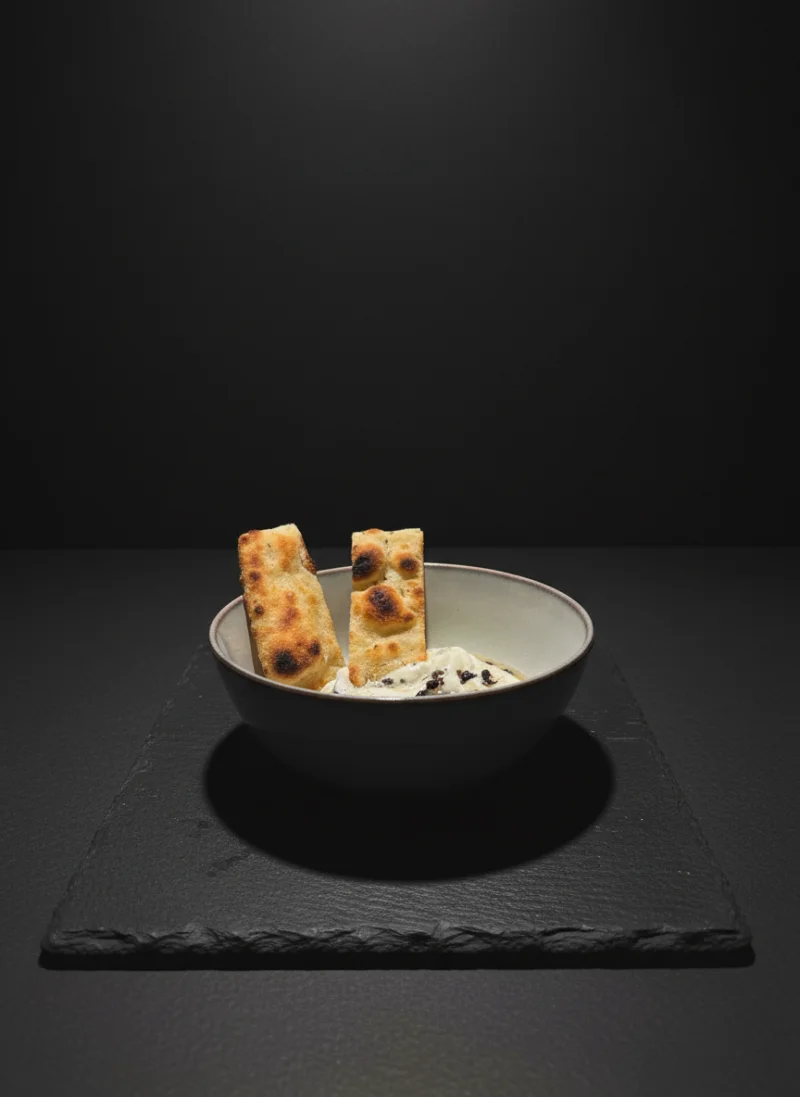
Dark and luxurious tones set the stage: deep burgundy, forest green, navy, charcoal, and gold accents. Backgrounds should be rich and dramatic — black marble, dark slate, deep mahogany wood, or velvet textures. The mood is elegant, intimate, and indulgent. Think holiday feasts, fine dining, and after-dinner desserts by the fire.
Holiday Themes and Indulgent Dishes
Winter is prime time for showcasing your most indulgent offerings: chocolate desserts, braised meats, spiced cocktails, creamy pastas, and holiday specials. Incorporate seasonal props like evergreen sprigs, cinnamon sticks, star anise, metallic cutlery, candles, and festive garnishes. For holiday-specific shoots, subtle decorative elements like pinecones, cranberries, or a dusting of powdered sugar that mimics snow can create an instantly recognizable winter atmosphere without looking kitschy.
Lighting and Settings
Warm, low-key lighting is essential for winter food photography. Candlelight, warm artificial light, and dramatic side-lighting all create the intimate, cozy feel the season demands. Use narrow pools of light with dark surrounding areas to create a sense of warmth and enclosure. Backlighting works beautifully for hot drinks and soups, catching steam and creating a glowing, inviting atmosphere. Keep the overall exposure slightly darker than other seasons — winter photos should feel like a warm haven against the cold outside.
Planning Your Seasonal Photography Calendar
The biggest challenge with seasonal food photography isn't the shooting itself — it's the planning. Without a structured calendar, seasonal updates become something you "should do" but never quite get around to. Here's how to build a practical system:
Timing Your Shoots
Plan your seasonal shoots 2-4 weeks before each new season begins. This gives you time to edit, review, and deploy the new images across all your platforms before customers start expecting seasonal content. A good schedule looks like this:
- Spring shoot: Late February to early March, deploy by mid-March
- Summer shoot: Late May to early June, deploy by mid-June
- Fall shoot: Late August to early September, deploy by mid-September
- Winter/Holiday shoot: Late October to early November, deploy by late November
Batch Shooting for Efficiency
Rather than shooting individual dishes as they're added to the menu, batch your photography into dedicated sessions. Shoot all your seasonal items in one focused day — you'll maintain visual consistency across the set, and you'll save significant time on setup and teardown. Prepare a shot list in advance that includes every dish, angle, and styling variation you need. Aim for 15-30 dishes per session for maximum efficiency.
Budget Planning
Four seasonal shoots per year can add up if you're hiring professionals for each one. A practical budget approach is to allocate your annual food photography budget across the four seasons, with slightly more allocated to your peak revenue season (often winter holidays). If budget is tight, alternate between professional shoots for key seasons and AI-enhanced or DIY shoots for the others. Even two professional seasonal updates per year puts you ahead of most competitors.
Using AI for Seasonal Photo Updates
One of the most exciting developments in food photography is the ability to use AI tools to restyle existing photos for different seasons — without reshooting a single dish. This approach is a game-changer for restaurants that want seasonal freshness without the cost of four full photoshoots per year.
Here's how it works: you take a great photo of your dish once, then use AI to transform the background, lighting tone, color grading, and overall mood to match each season. The same burger can appear on a bright, sunlit surface in summer and against a dark, moody wooden board in fall — all from a single original photo.
Platora is built for exactly this kind of workflow. Upload your dish photos, and the AI applies professional-quality styling that you can adjust to match any seasonal theme. Swap backgrounds from light marble to dark slate, shift color temperatures from cool spring tones to warm autumn hues, and add seasonal props and contexts — all in seconds.
The advantages of using AI for seasonal updates are significant:
- No reshoots required: One original photo can serve all four seasons with different AI-generated styles
- Consistent quality: AI applies the same professional standards across every image, maintaining brand cohesion
- Massive time savings: What would take a full day of shooting and editing can be done in under an hour
- Budget-friendly: At a fraction of the cost of professional shoots, you can afford to update quarterly — or even monthly
- Instant turnaround: New seasonal menu item? Generate styled photos the same day it goes on the menu
For the best results, combine AI-enhanced photos with occasional professional shoots for hero images and flagship dishes. This hybrid approach gives you the consistency and frequency of AI with the artistry of professional photography where it counts most.
Conclusion
Seasonal menu photography isn't a luxury — it's a strategic necessity for restaurants that want to stay relevant and competitive. By aligning your food imagery with the seasons, you tap into your customers' natural cravings, keep your social media feeds engaging, and signal that your restaurant is active, thoughtful, and current.
The key is planning ahead: build a seasonal photography calendar, batch your shoots for efficiency, and leverage AI tools like Platora to maximize the mileage from every photo. Whether you go all-in with professional seasonal shoots or take the hybrid approach of AI-enhanced imagery with strategic professional sessions, the important thing is to keep your visual content moving with the seasons.
Your menu evolves throughout the year. Your food photography should too.