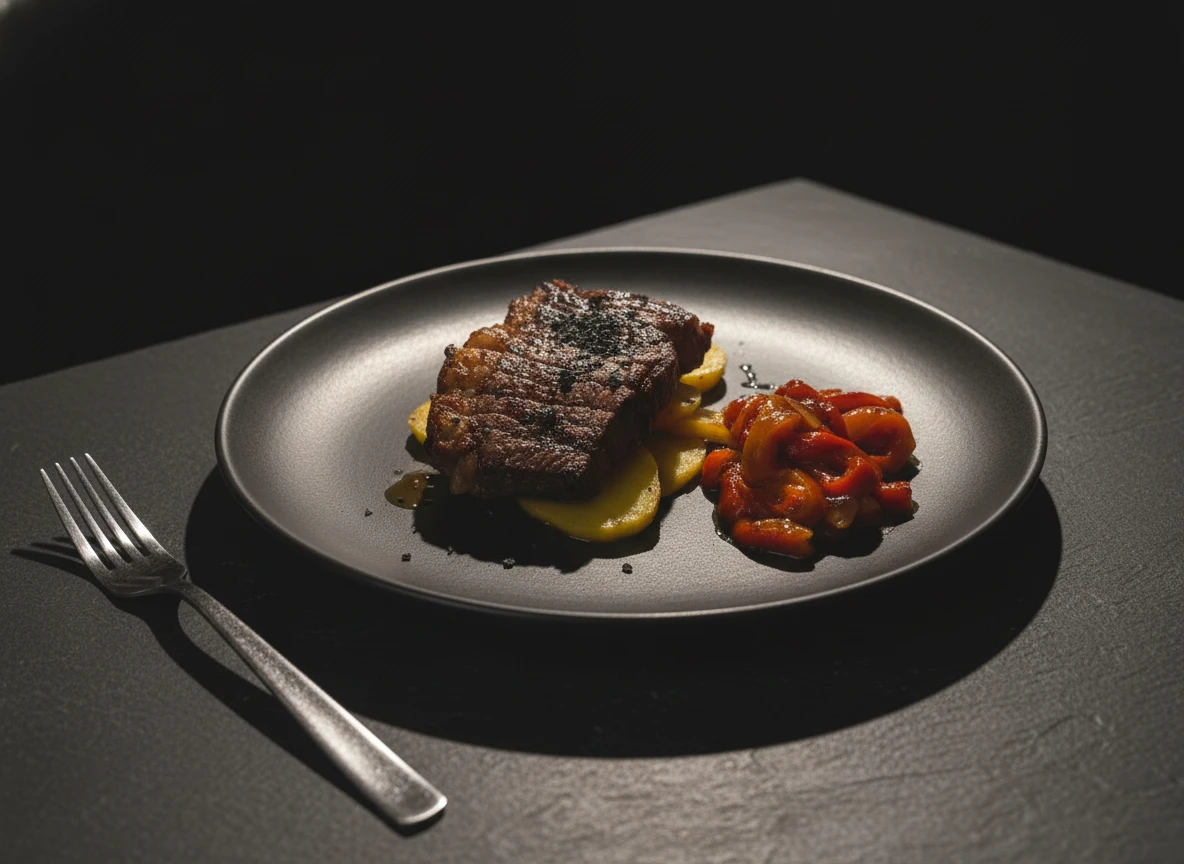
Lighting is the single most important factor in food photography. It determines how colors render, how textures appear, how appetizing the food looks, and ultimately whether someone scrolls past or stops to order. The age-old debate in food photography circles: should you use natural light or artificial light?
The honest answer is that both produce stunning results when used correctly. This guide breaks down the strengths and limitations of each approach so you can choose the right one for your situation. For foundational lighting principles that apply to both, see our complete food photography lighting guide.
Natural Light: Pros and Cons
Advantages
- Zero cost: No equipment investment needed—a window is all you need
- Organic, authentic look: Natural light produces a soft, inviting quality that feels real and unmanufactured
- Full spectrum color: Sunlight renders all colors accurately, making food look its natural best
- Easy to learn: No technical knowledge of lighting gear required—position food near a window and start shooting
- Large light source: A window acts as a massive softbox, producing beautifully soft, wrapping light
- Perfect for lifestyle/social media: The natural, effortless aesthetic resonates on Instagram and blogs
Disadvantages
- Time-dependent: You can only shoot during daylight hours, and the quality changes constantly throughout the day
- Weather-dependent: Cloudy days provide soft diffused light, sunny days produce harsh shadows—you can't control the sky
- Inconsistent: Light changes from shot to shot as clouds pass or the sun moves, making batch photography difficult
- Location-limited: You need a suitable window with the right exposure—not every room or restaurant has one
- Seasonal variation: Winter daylight hours are short in many regions, limiting shooting windows
Artificial Light: Pros and Cons
Advantages
- Total control: Adjust intensity, color temperature, direction, and quality at will
- Shoot anytime: 2 AM or a dark winter evening—time of day doesn't matter
- Perfect consistency: Every shot in a session looks identical, critical for menu photography and brand consistency
- Location-independent: Shoot anywhere—no window needed. Set up a mini studio in a closet if you want
- Repeatable: Note your settings and recreate the exact same look weeks or months later for new menu items
- Creative flexibility: Add colored gels, create dramatic shadows, or simulate specific moods on demand
Disadvantages
- Equipment cost: Lights, modifiers, and stands require an investment (basic setups start around $100-200)
- Learning curve: Understanding light modifiers, power ratios, and placement takes practice
- Can look artificial: Poorly set up artificial light produces unnatural, "studio-looking" photos with harsh shadows or flat lighting
- Setup time: Positioning lights, modifiers, and reflectors takes longer than pulling up a chair to a window
- Portability: Carrying lights, stands, and modifiers to on-location shoots adds complexity
Side-by-Side Comparison
| Factor | Natural Light | Artificial Light |
|---|---|---|
| Cost | Free | $100-2000+ |
| Consistency | Variable | Perfect |
| Availability | Daytime only | 24/7 |
| Learning curve | Low | Medium-High |
| Color accuracy | Excellent (full spectrum) | Good to excellent (CRI dependent) |
| Best for | Lifestyle, social media, editorial | Commercial, menus, batch shoots |
| Setup time | Minutes | 15-45 minutes |
How to Set Up Natural Light for Food Photography
The ideal natural light setup is simple but precise:
1. Find the Right Window
North-facing windows (in the Northern Hemisphere) provide the most consistent, diffused light because they never receive direct sunlight. East or west-facing windows work well during specific times. South-facing windows offer the most light but may need diffusion during peak hours.
2. Position the Food
Place your subject 2-4 feet from the window. The closer to the window, the more dramatic the light gradient from bright to shadow side. Further away gives softer, more even light. Experiment with side light (food beside the window), backlight (window behind the food), and 45-degree light (between side and back).
3. Modify the Light
- Diffuse harsh sun: Hang a white bedsheet or sheer curtain over the window to soften direct sunlight
- Fill shadows: Place a white foam board on the shadow side to bounce light back and reduce contrast
- Add drama: Place a black foam board on the shadow side to absorb light and deepen shadows for a moody look
How to Set Up Artificial Light for Food Photography
The Basic One-Light Setup
Most professional food photographers use a surprisingly simple setup: one main light with a large modifier. Here's how:
- Light source: A continuous LED panel (easier for beginners) or a strobe/speedlight (more powerful, freezes motion)
- Modifier: A large softbox (24x36" or larger) or a shoot-through umbrella. Bigger = softer light
- Position: Place the light to the side of the food, slightly behind (at roughly 8 or 10 o'clock position), angled down at 30-45 degrees
- Height: The light should be above the food, angled down—never shooting up from below
- Fill: Use a white reflector on the opposite side to fill shadows, or a second light at much lower power (3:1 ratio)
Color Temperature Matters
Set your artificial light to 5500K (daylight balanced) for the most natural-looking food photos. Warmer temperatures (3200-4000K) create a cozy, golden feel—good for rustic or comfort food. Cooler temperatures (6000-6500K) feel clean and modern—good for health food and fresh ingredients.
CRI: The Spec Most People Ignore
CRI (Color Rendering Index) measures how accurately a light source renders colors compared to natural sunlight. For food photography, always choose lights with CRI 95 or higher. Low-CRI lights make reds look dull, greens look yellowish, and overall food colors look unappetizing—no amount of editing can fully fix bad CRI.
Recommended Equipment by Budget
Budget Setup ($100-200)
- Portable LED panel with adjustable color temperature and brightness
- A translucent diffusion panel or DIY diffuser (parchment paper, white fabric)
- White foam board as reflector
- Basic light stand
Mid-Range Setup ($300-600)
- High-CRI LED panel or a speedlight
- 24x36" softbox with diffusion panel
- Sturdy light stand with boom arm
- Reflector/diffuser 5-in-1 kit
Professional Setup ($800+)
- Studio strobe or high-end continuous LED (Godox, Profoto, Aputure)
- Large softbox (36x48" or larger) or parabolic modifier
- C-stand for stability and precision positioning
- Second light or reflector for fill
- Color meter for precise white balance
For a comprehensive breakdown of all food photography gear, see our equipment guide.
When to Use Each Type of Light
Choose Natural Light When:
- You're shooting for social media or a personal blog with a casual, authentic aesthetic
- You're photographing at a café or restaurant with good windows (on-location work)
- You're starting out and don't have lighting equipment yet
- You want a lifestyle, editorial, or storytelling feel
- You're shooting a small number of dishes and can work within the daylight window
Choose Artificial Light When:
- You're photographing an entire menu (20+ items) and need consistent results
- You're shooting for delivery apps where visual consistency across all items matters
- You need to shoot in the evening or at night
- You're doing commercial work for a brand with strict visual standards
- You want to create specific moods (dramatic, dark, high-contrast) on demand
- You're photographing in a space with no usable windows
Mixing Natural and Artificial Light
Many photographers combine both: using window light as the main source and adding a small artificial fill light on the shadow side. This gives the organic beauty of natural light with the control of artificial fill. The key rule: match color temperatures. If your window light is cool daylight (5500K), set your fill light to 5500K too. Mismatched color temperatures create distracting color casts that are difficult to correct in post.
How AI Can Fix Lighting Issues
Even with the best setup, lighting doesn't always cooperate. AI tools like Platora can rescue photos with lighting problems by:
- Correcting uneven lighting and harsh shadows
- Fixing mixed color temperature casts
- Brightening underexposed smartphone photos without adding noise
- Enhancing food colors that look dull under poor lighting
- Creating consistent brightness and tone across a batch of photos shot in changing natural light
Conclusion
Natural light and artificial light aren't rivals—they're tools. Natural light is free, forgiving, and beautiful for lifestyle-oriented food photography. Artificial light is controllable, consistent, and essential for commercial and high-volume work. The best food photographers master both and choose the right tool for each job.
Start with natural light to learn how light behaves, then add artificial lighting to your toolkit when you need more control. For more on mastering light in all its forms, read our complete lighting guide and professional food photography tips.