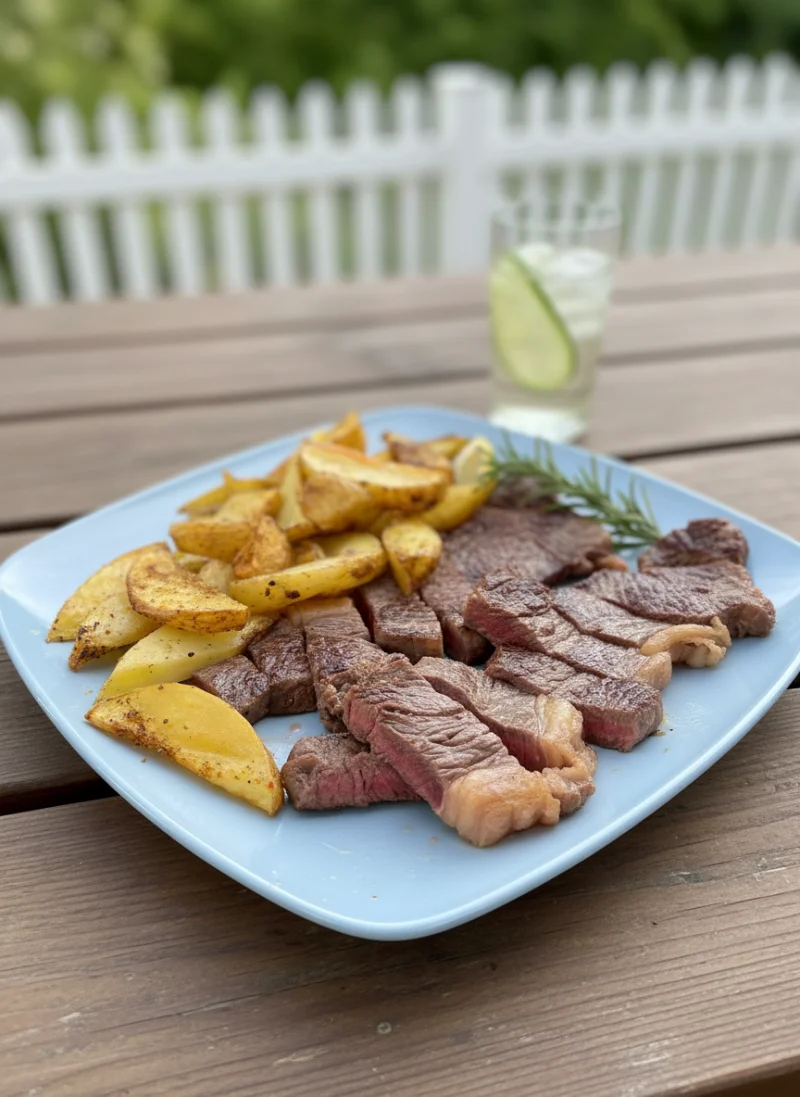
Food photography is one of the most sought-after and rewarding specializations in commercial photography. With restaurants, food brands, delivery apps, and social media platforms constantly needing high-quality food images, skilled food photographers are in high demand.
This comprehensive guide will walk you through everything you need to know to become a professional food photographer in 2025, including required skills, equipment, portfolio building, pricing strategies, and how to find and retain clients.
What Does a Food Photographer Do?
Food photographers specialize in capturing appetizing, visually compelling images of food and beverages for commercial and editorial purposes. Their work appears in:
- Restaurant menus (printed and digital)
- Food delivery platforms (Uber Eats, DoorDash, Grubhub, Deliveroo)
- Social media marketing (Instagram, Facebook, TikTok)
- Cookbooks and food magazines
- Food brand advertising and packaging
- Food blogs and recipe websites
- Restaurant websites and promotional materials
Professional food photographers combine technical photography skills with food styling knowledge, lighting expertise, and an understanding of color theory and composition to create images that make viewers hungry.
Essential Skills for Food Photographers
1. Photography Fundamentals
Before specializing in food photography, master these core skills:
- Exposure triangle: Understanding ISO, aperture, and shutter speed
- Composition: Rule of thirds, leading lines, negative space, balance
- Lighting: Natural light, artificial light, light modifiers, and direction
- Camera operation: Manual mode, focus techniques, metering
- RAW processing: Adobe Lightroom, Capture One, or similar software
2. Food Styling Knowledge
Food photographers must understand basic food styling principles:
- How to make food look fresh and appetizing on camera
- Plating and composition techniques
- Working with props, backgrounds, and surfaces
- Understanding how different foods photograph
- Timing (shooting before food deteriorates under lights)
While large productions may have dedicated food stylists, many food photographers need to handle styling themselves, especially for restaurant and small business clients.
3. Post-Processing and Retouching
Professional food photography requires skilled editing:
- Adobe Lightroom: Color grading, exposure adjustment, batch processing
- Adobe Photoshop: Advanced retouching, compositing, cleanup
- Capture One: Alternative professional RAW processor
- Color management: Ensuring consistent colors across devices
4. Business and Communication Skills
Success as a food photographer requires more than technical skills:
- Client communication: Understanding briefs and managing expectations
- Project management: Organizing shoots, timelines, and deliverables
- Marketing: Promoting your services and building your brand
- Contracts and licensing: Protecting your work legally
- Pricing and negotiation: Charging appropriately for your services
Food Photography Equipment: What You Actually Need
Starter Equipment ($1,500-$3,000)
You don't need the most expensive gear to start as a food photographer:
- Camera: Any mirrorless or DSLR with manual controls (Canon, Sony, Nikon, Fuji). Full-frame is ideal but APS-C works great for beginners.
- Lens: A 50mm f/1.8 or 35mm f/1.8 prime lens offers excellent image quality at an affordable price. Alternatively, a 24-70mm f/2.8 zoom provides versatility.
- Tripod: Essential for consistent framing and stability
- Reflectors: White foam boards or collapsible reflectors ($10-50)
- Backgrounds: Wood boards, marble tiles, fabric, or seamless paper
- Props: Plates, bowls, utensils, napkins, cutting boards
Pro tip: Start with natural light before investing in artificial lighting equipment. Many successful food photographers work exclusively with window light.
Professional Equipment ($5,000-$15,000+)
As your business grows, consider investing in:
- Professional camera body: Full-frame sensor for superior image quality
- Multiple lenses: 35mm, 50mm, 85mm, and 100mm macro
- Artificial lighting: Strobe lights, continuous LED panels, or speedlights
- Light modifiers: Softboxes, umbrellas, scrims, flags
- Tethering setup: Laptop and software for instant image review
- Expanded prop collection: Diverse surfaces, dishes, and styling elements
Building Your Food Photography Portfolio
Your portfolio is your most important marketing tool. It should showcase your best work and demonstrate your range and style.
Portfolio Building Strategies
- Create personal projects: Cook or order dishes specifically for portfolio shoots. This gives you complete creative control.
- Offer discounted rates to local restaurants: Build experience and portfolio content while helping small businesses that can't afford full-price photography.
- Collaborate with food bloggers and chefs: Trade your photography services for content and testimonials.
- Shoot diverse cuisines and styles: Demonstrate versatility—Italian, Asian, Mexican, desserts, cocktails, etc.
- Show variety in approaches: Include overhead shots, 45-degree angles, close-ups, lifestyle shots, and editorial styles.
Portfolio Best Practices
- Quality over quantity: Show 15-25 exceptional images rather than 100 mediocre ones
- Consistent editing style: Maintain a cohesive aesthetic across your portfolio
- Easy navigation: Organize by cuisine type, style, or client type
- Mobile-optimized: Many clients will view your portfolio on phones
- Regular updates: Replace older work as your skills improve
Food Photographer Pricing: What to Charge
Pricing as a food photographer varies significantly based on experience, location, client type, and usage rights. Here's a general guide for 2025:
Beginner Food Photographer (0-2 years)
- Small restaurants/cafes: $200-$500 per session (10-15 dishes)
- Per-dish pricing: $25-$50 per dish
- Social media content: $150-$300 per session
Intermediate Food Photographer (2-5 years)
- Restaurant menu photography: $800-$2,000 per session
- Per-dish pricing: $75-$150 per dish
- Food brands and advertising: $1,500-$5,000+ per project
- Hourly rate: $100-$250 per hour
Experienced Food Photographer (5+ years)
- Major restaurant chains: $3,000-$10,000+ per campaign
- Food brand advertising: $5,000-$25,000+ per project
- Cookbook photography: $10,000-$50,000+ per book
- Day rate: $1,500-$5,000+
Important: These rates typically include usage rights for specific purposes. Broader usage (national advertising, packaging, unlimited use) commands premium pricing.
Finding Food Photography Clients
1. Local Outreach
- Visit local restaurants: Bring business cards and portfolio samples
- Network at food events: Food festivals, chef meetups, culinary schools
- Partner with food stylists and recipe developers: They often need photographers
2. Online Marketing
- Instagram: Post consistently, use relevant hashtags (#foodphotography, #foodphotographer, #[yourcity]foodphotographer)
- Google My Business: List your food photography services with location
- Website with SEO: Target keywords like "food photographer [your city]" and "restaurant photography"
- LinkedIn: Connect with restaurant managers, food brands, and marketing agencies
3. Freelance Platforms
- Upwork, Fiverr, Thumbtack (be strategic about pricing)
- Photography-specific platforms (Bark, Snappr)
- Creative marketplaces (Behance, Dribbble for portfolio visibility)
Food Photographer Career Paths
Food photography careers can take various directions:
Freelance Food Photographer
Work independently with multiple clients. Offers flexibility and unlimited income potential but requires strong business skills and marketing.
In-House Photographer
Work for a food brand, restaurant chain, or media company. Provides stability, benefits, and regular income. Salary range: $40,000-$90,000+ annually.
Food Photography Studio Owner
Build a specialized studio with a team handling high-volume commercial work. Requires significant investment but offers scalability.
Hybrid Content Creator
Combine food photography with food blogging, recipe development, or culinary consulting for diversified income streams.
The Future of Food Photography: AI and Technology
The food photography industry is evolving with technology. Successful food photographers in 2025 are adapting by:
- Incorporating AI enhancement tools: Streamline editing workflows and offer more variations to clients
- Offering video content: Short-form video (Reels, TikTok) is increasingly in demand
- Specializing in niches: Vegan food, cocktails, fine dining, street food, etc.
- Providing comprehensive content packages: Photography + styling + recipe development
Tools like Platora allow food photographers to enhance their efficiency by applying consistent professional styles across client work, creating variations quickly, and delivering more value per shoot.
Your Action Plan to Become a Food Photographer
Months 1-3: Learn and Practice
- Master camera fundamentals and manual mode
- Study food photography online (YouTube, courses, books)
- Practice with your own meals and recipes daily
- Build basic prop and background collection
- Learn Lightroom and basic editing
Months 4-6: Build Portfolio
- Create 20-30 portfolio-quality images across diverse cuisines
- Build professional website showcasing your work
- Establish Instagram presence with consistent posting
- Offer free/discounted shoots to 2-3 local businesses for portfolio content
Months 7-12: Launch Your Business
- Set up business legally (LLC, insurance, contracts)
- Define your pricing structure
- Begin active marketing and outreach
- Book your first 5-10 paying clients
- Collect testimonials and case studies
- Reinvest profits into better equipment
Conclusion: Your Food Photography Career Starts Now
Becoming a professional food photographer is an achievable goal with dedication, practice, and strategic planning. While the field is competitive, the demand for quality food photography continues to grow as restaurants, brands, and food businesses recognize the importance of compelling visual content.
Remember: Every successful food photographer started exactly where you are now. Focus on continuous improvement, build genuine relationships with clients, and develop your unique artistic voice.
Whether you pursue food photography as a full-time career or a lucrative side business, the skills you develop will open doors in the vibrant, delicious world of culinary visual storytelling.