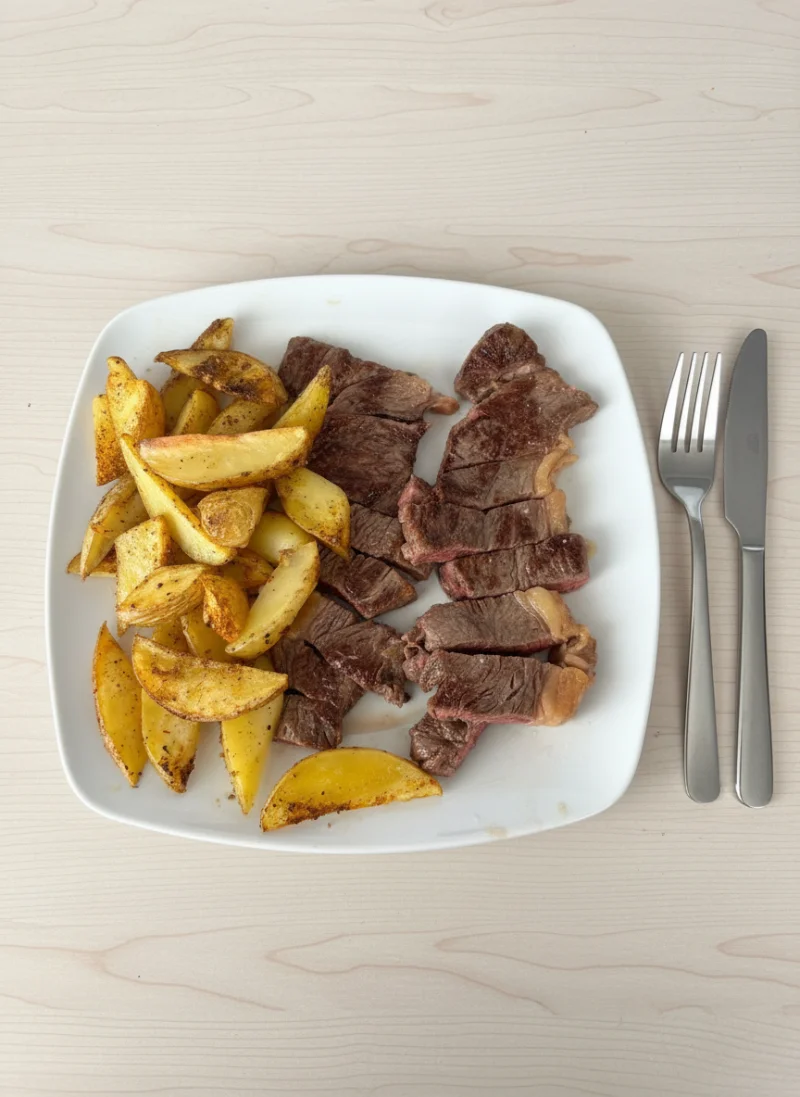
Great food photography can transform your restaurant's brand. Whether you're launching a new menu, refreshing your delivery app listings, or building a social media presence, hiring the right food photographer is one of the most impactful investments you can make.
But with thousands of photographers out there, how do you find the right one? Before starting your search, it helps to understand how much food photography costs across different approaches. This guide walks you through every step of the hiring process — from knowing when you need a pro to getting the most out of your shoot day.
Do You Actually Need a Food Photographer?
Before diving into the hiring process, consider whether a professional photographer is the right choice for your situation:
Hire a food photographer when:
- You're opening a new restaurant or doing a major rebrand
- You need images for print advertising, packaging, or billboards
- Your dishes require complex styling (smoke, steam, melting cheese, action shots)
- You're creating a cookbook or premium marketing materials
- You need 50+ professionally styled images in one session
Consider alternatives when:
- You need quick updates for delivery app menus
- Your budget is under $500
- You need ongoing weekly content for social media
- You already have decent photos that just need enhancement
For the last scenario, AI-powered tools like Platora can transform your existing food photos into professional-quality images at a fraction of the cost of a photoshoot.
Where to Find Food Photographers
The best food photographers aren't always the easiest to find. Here are the most reliable channels:
1. Instagram and Social Media
Search hashtags like #foodphotographer, #foodphotography, or #[yourcity]foodphotographer. Instagram is the natural portfolio for food photographers, and you can immediately see if their style matches your brand.
2. Referrals from Other Restaurant Owners
This is often the most reliable method. Ask restaurants whose food photos you admire who they worked with. Fellow owners can share honest feedback about the photographer's professionalism, reliability, and results.
3. Google Business and Local Directories
Search "food photographer near me" or "restaurant photographer [your city]." Check Google reviews and look at their Google Business profile for examples of their work.
4. Photography Associations
Organizations like the American Society of Media Photographers (ASMP) or the Association of Photographers (AOP) maintain directories of verified professionals with specializations listed.
How to Evaluate a Food Photographer's Portfolio
A portfolio tells you everything you need to know — if you know what to look for:
Look For
- Consistency: Every image should look polished, not just the best 5 shots
- Style match: Their natural aesthetic should align with your brand. A photographer known for dark, moody shots may not be ideal for a bright, family-friendly restaurant
- Cuisine experience: Have they shot food similar to yours? Asian food, pastries, and burgers each require different techniques
- Real restaurant work: Personal projects in a studio are different from working in a busy restaurant kitchen
- Variety in angles: Can they shoot overhead, 45-degree, and eye-level equally well?
Red Flags
- Over-edited images: Heavy filters or unrealistic colors suggest they rely on editing to compensate for poor photography
- No food-specific work: A wedding photographer who "also does food" rarely delivers the same quality as a specialist
- Only stock-style images: Generic, decontextualized food shots may not translate well to your brand
- Inconsistent quality: Some great shots mixed with mediocre ones suggest unreliable results
Essential Questions to Ask Before Hiring
Once you've shortlisted candidates, ask these questions to make an informed decision:
- "What's included in your pricing?" — Clarify whether styling, props, editing, and licensing are included or charged separately
- "Do you provide food styling or should I hire a stylist?" — Some photographers include basic styling; complex shoots may need a dedicated food stylist ($300-$1,000/day extra)
- "What usage rights do I get?" — Make sure you can use the images everywhere you need (website, social media, delivery apps, print)
- "How many final edited images will I receive?" — Get a specific number, not a vague range
- "What's your turnaround time?" — Standard is 1-2 weeks; rush delivery usually costs more
- "Can you share a full gallery from a similar project?" — A portfolio shows highlights; a full gallery shows consistency
- "What happens if I'm not satisfied?" — Understand their revision policy before signing anything
- "Do you have liability insurance?" — Important when working in your restaurant space
How to Prepare for the Shoot
Good preparation is the difference between a $1,000 shoot that produces 15 usable images and one that produces 40. Here's how to maximize your investment:
Before Shoot Day
- Create a shot list: Prioritize your dishes. Which ones drive the most orders? Which are your highest-margin items? Shoot those first
- Share a mood board: Collect 10-15 reference images that show the style, colors, and mood you're going for. Pinterest boards work great
- Plan the dish sequence: Group dishes that share similar styling or backgrounds to minimize setup changes
- Prep your space: Clean the areas where you'll shoot, ensure good lighting access, and clear a workspace for the photographer
On Shoot Day
- Have dishes ready on time: Photographer wait time is expensive. Coordinate with your kitchen so dishes come out on schedule
- Prepare multiples: For hero dishes, make 2-3 versions so the photographer can pick the best-looking one
- Designate a point person: One team member should be available to answer questions and make decisions on the spot
- Don't hover: Let the photographer work. Checking every shot in real-time slows things down significantly
Understanding Contracts and Licensing
The business side matters as much as the creative side. Here's what to watch for in agreements:
- Usage rights: "Unlimited usage" means you can use images anywhere forever. "Limited usage" restricts where, how long, or in what format you can use them
- Copyright ownership: By default, the photographer owns the copyright. You're licensing the images. If you need full ownership, negotiate a buyout (expect to pay 2-3x more)
- Payment terms: Most photographers require a 50% deposit upfront with the remainder due on delivery
- Cancellation policy: Understand what happens if you need to reschedule. Many charge 50-100% for cancellations within 48 hours
- Revision rounds: Clarify how many rounds of editing revisions are included. Typically 1-2 rounds is standard
What to Expect: Pricing Overview
Food photography pricing varies widely. Here's a quick reference:
- Small shoot (10-20 dishes): $500 - $2,500
- Medium shoot (20-50 dishes): $1,500 - $5,000
- Full-day commercial shoot: $3,000 - $10,000+
For a detailed breakdown of pricing factors, check our complete food photography cost guide.
After the Shoot: Getting the Most from Your Images
Your investment doesn't end when the photographer leaves. Maximize your ROI:
- Organize and tag images: Create a system for finding specific dishes quickly. Name files by dish name, not IMG_4521
- Resize for each platform: Delivery apps, social media, your website, and print materials all need different dimensions
- Update everywhere simultaneously: Don't leave old photos on some platforms — inconsistency confuses customers
- Track performance: Monitor which images drive the most orders or engagement, and use that data for your next shoot
- Plan seasonal updates: Schedule re-shoots for seasonal menu changes so you're never caught with outdated images
Conclusion
Hiring a food photographer is one of the highest-ROI investments a restaurant can make. The right images increase orders on delivery apps, boost social media engagement, and attract new customers to your door.
Take the time to find a photographer whose style matches your brand, prepare thoroughly for shoot day, and make sure your contract covers everything you need. For practical techniques to guide your creative direction, review our food photography tips. The difference between a good shoot and a great one usually comes down to preparation, not budget.
And if you need professional-looking food photos between shoots, Platora can enhance your existing food photos with AI — giving you studio-quality results from smartphone shots.