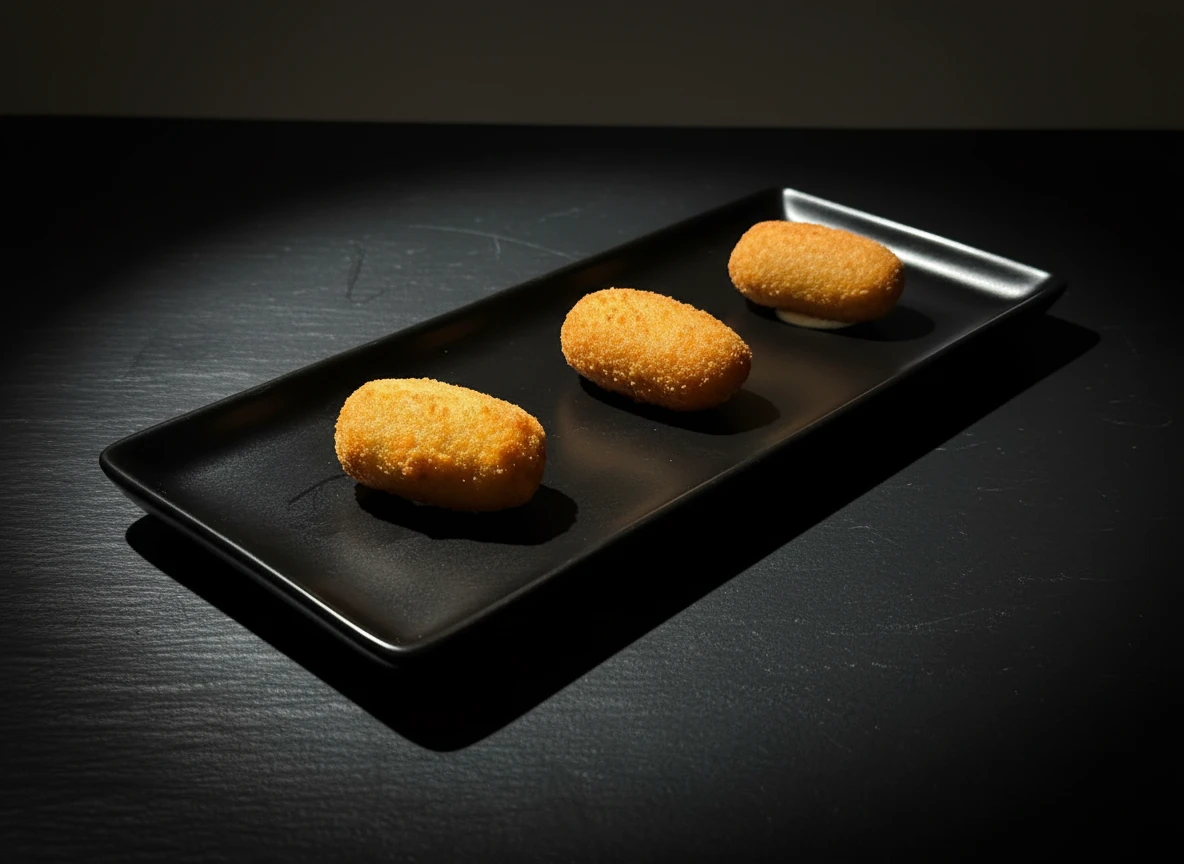
Food styling is the art of making food look its absolute best for photography. While great lighting and camera work are essential, the way you style and present your dishes can make the difference between a forgettable snapshot and an image that makes viewers instantly hungry.
In this guide, we'll share 12 professional food styling techniques that top food photographers and stylists use to create images that stop scrollers in their tracks and drive real results for restaurants and food businesses.
1. Start with Fresh, High-Quality Ingredients
The foundation of great food styling is quality ingredients. No amount of styling tricks can make wilted lettuce or bruised produce look appetizing. Professional food stylists often visit multiple stores or markets to find the most photogenic versions of each ingredient.
Pro tip: Buy more than you need. Having backup ingredients allows you to select only the best-looking pieces for your hero shot. For produce, look for items with vibrant colors, firm textures, and no blemishes or browning.
2. Undercook for the Camera
This is one of the most important secrets in professional food styling: slightly undercook your food. Vegetables that are perfectly cooked for eating often look overcooked and dull in photos. Proteins that are done can appear dry and unappetizing.
- Vegetables: Blanch briefly to maintain bright, vibrant colors. Green vegetables especially lose their vivid hue when fully cooked.
- Pasta: Cook 1-2 minutes less than al dente to prevent it from looking soggy and clumped.
- Meats: Sear the outside for color while keeping the interior slightly rare for a juicy appearance.
- Baked goods: Pull from the oven just as they develop color to prevent over-browning.
3. Build Height and Dimension
Flat, spread-out dishes look unappetizing. Professional stylists create visual interest by building upward and adding dimension to every plate.
- Stack strategically: Layer ingredients to create height at the center of the plate.
- Use the "nest" technique: Create a base or bed for your main ingredient to sit on, like a pile of greens or grains.
- Lean ingredients: Rest items against each other at angles rather than laying everything flat.
- Hidden supports: Use small pieces of food hidden underneath to prop up and angle your hero ingredients.
4. Master the Art of Garnishing
Garnishes should enhance, not overwhelm. The right garnish adds color, freshness, and visual interest while complementing the dish's flavors.
- Fresh herbs: Basil, parsley, cilantro, and microgreens add pops of green and suggest freshness.
- Citrus: Lemon or lime wedges, zest, or slices brighten dishes visually and imply flavor.
- Seeds and nuts: Sesame seeds, chopped nuts, or pomegranate seeds add texture and visual contrast.
- Sauce drizzles: A strategically placed drizzle of sauce creates movement and highlights the dish.
Remember: Place garnishes intentionally, not randomly scattered. Each element should look purposeful.
5. Create Movement with Sauces
Static pools of sauce look flat and unappetizing. Professional stylists create dynamic, eye-catching presentations by adding movement:
- Drizzle patterns: Use a squeeze bottle to create elegant lines or zigzags.
- The "swoosh": Place a spoonful of sauce on the plate and drag it with the back of the spoon.
- Pour shots: Capture sauce mid-pour for dynamic action shots.
- Strategic pooling: Create small pools that lead the eye toward the main subject.
6. Use Odd Numbers
The "rule of odds" is a fundamental principle in food styling. Odd numbers of elements (3, 5, 7) are more visually appealing than even numbers. Three shrimp look better than four. Five ravioli are more interesting than six.
This principle extends to garnishes, sauce drops, and any repeated element in your composition. Odd groupings create natural focal points and prevent the symmetry that can make images feel static.
7. Show the Interior
Some of the most compelling food photos reveal what's inside. A burger cut in half to show layers, a broken cookie revealing chocolate chips, or a sliced steak displaying the perfect medium-rare center creates intrigue and appetite appeal.
- Clean cuts: Use a sharp knife and wipe the blade between cuts for perfect cross-sections.
- Strategic angles: Position the cut side toward the camera to showcase the interior.
- Partial reveals: You don't always need to cut completely in half. A bite taken or a corner torn can be equally effective.
8. Control Portions Carefully
Less is usually more in food styling. Overloaded plates look messy and overwhelming in photos. Professional stylists typically use smaller portions than you'd serve at a restaurant.
The goal is to show each element clearly, with breathing room around components. A carefully arranged smaller portion looks more elegant and appetizing than a heaping plate where everything blends together.
9. Add Texture Contrast
Visual interest comes from contrast. Combine different textures in your styling to create more dynamic, appealing images:
- Smooth vs. crunchy: Creamy soup with crispy croutons, ice cream with cookie crumbles.
- Glossy vs. matte: Shiny glazed proteins against matte vegetable backgrounds.
- Soft vs. crisp: Tender meat with crispy skin, fluffy pancakes with caramelized edges.
10. Use Oil and Water Strategically
Professional food stylists keep spray bottles of water and small brushes with oil nearby at all times:
- Water spray: Mist vegetables and fruits to create fresh, just-washed appearance with appealing droplets.
- Oil brushing: Apply a thin layer of neutral oil to meats, vegetables, or pasta to create appetizing shine and prevent drying.
- Glycerin mix: For longer shoots, mix glycerin with water (50/50) for droplets that won't evaporate quickly.
11. Style for Your Hero Angle
Before you start styling, decide on your camera angle. A dish styled for a 45-degree angle will look completely different from overhead. Build your composition specifically for the angle you'll shoot:
- Overhead shots: Focus on surface arrangement, patterns, and spacing between elements.
- 45-degree angle: Build height at the back, create depth with layering.
- Eye-level shots: Maximize height, ensure clean backgrounds, focus on the front-facing elements.
12. Work Quickly and Have Backups Ready
Food has a limited "hero window" where it looks its best. Ice cream melts, greens wilt, steam disappears, and sauces congeal. Professional stylists prepare everything in advance:
- Pre-style with stand-ins: Set up your composition with substitute ingredients, then swap in hero food at the last moment.
- Have multiples ready: Prepare several versions of the dish so you can quickly swap if something goes wrong.
- Keep tools at hand: Tweezers, paper towels, brushes, spray bottles, and backup garnishes should be within arm's reach.
Essential Food Styling Tools
Build your food styling kit with these essentials:
- Tweezers: For precise placement of small elements and garnishes.
- Small brushes: For applying oil, removing crumbs, and touching up sauces.
- Squeeze bottles: For controlled sauce application.
- Spray bottles: For water misting and refreshing produce.
- Paper towels: For cleanup and absorbing excess liquid.
- Cotton swabs: For cleaning plate edges and removing small imperfections.
- Sharp knives: For clean cuts and precise portioning.
Conclusion: Practice Makes Perfect
Food styling is a skill that improves with practice. Start by implementing one or two of these techniques, then gradually incorporate more as you become comfortable. Pay attention to the food photography that catches your eye and analyze what styling choices make those images effective.
Remember that the goal of food styling isn't perfection. It's creating images that look appetizing, authentic, and make viewers want to taste the dish. Sometimes a perfectly imperfect presentation with a drip of sauce or a slightly messy arrangement feels more real and appealing than an overly styled setup.
Whether you're a restaurant owner photographing your menu, a food blogger creating content, or a professional photographer building your portfolio, these food styling techniques will help you create images that truly stand out.