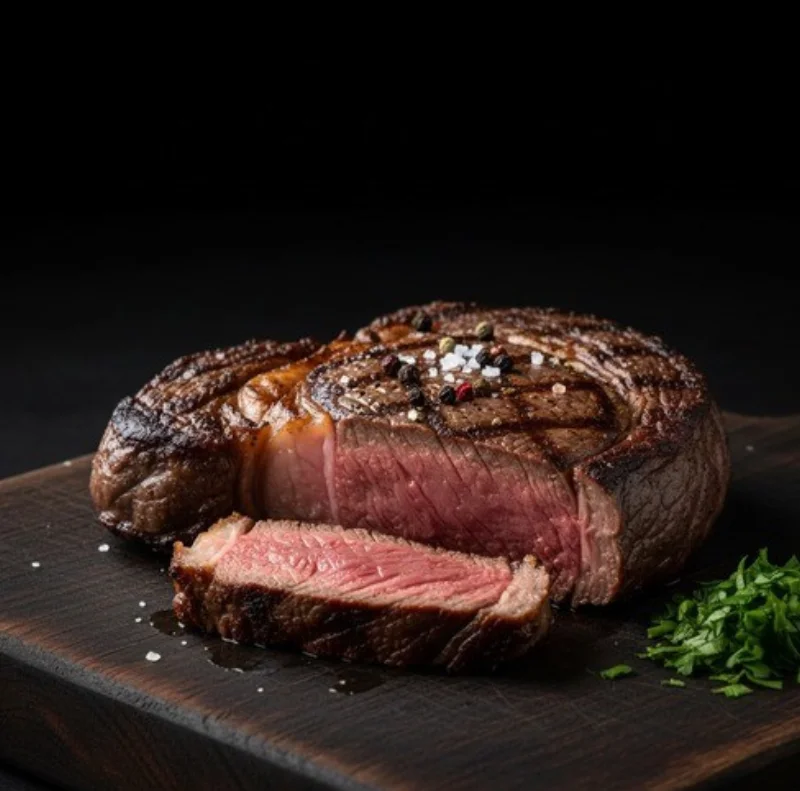
Food photography has become an essential skill for restaurants, food bloggers, chefs, and culinary businesses. Whether you're photographing for Instagram, a restaurant menu, or a food delivery app like Uber Eats, mastering professional food photography techniques can dramatically impact engagement, sales, and brand perception.
In this comprehensive guide, we'll explore 15 professional food photography tips that top food photographers use to create images that make viewers hungry and drive results.
1. Master Natural Lighting
Natural light is a food photographer's best friend. Position your food near a large window with indirect sunlight. North-facing windows provide consistent, soft light throughout the day, eliminating harsh shadows and creating an appealing, natural look.
Pro tip: Avoid direct sunlight, which creates harsh shadows and unflattering highlights. Use sheer curtains or diffusers to soften the light. The golden hours—early morning and late afternoon—offer the most flattering natural light for food photography.
2. Choose the Right Camera Angle
Professional food photographers know that camera angle dramatically affects how dishes are perceived. The three most popular angles are:
- Top-Down (90°): Perfect for flat-lay compositions, pizza, bowls, platters, and dishes with beautiful toppings. This angle is Instagram's favorite for a reason—it showcases ingredients and composition clearly.
- 45-Degree Angle: The most versatile and natural viewing angle. It shows both the top and side of dishes, perfect for burgers, sandwiches, layered desserts, and plated meals.
- Eye-Level (0°): Ideal for tall items like stacked pancakes, burgers, cocktails, and layer cakes. This angle creates an intimate, inviting perspective.
Experiment with different angles for the same dish to find what best showcases its most appealing features.
3. Use the Rule of Thirds
Composition is crucial in food photography. The rule of thirds divides your frame into a 3x3 grid. Place your main subject at the intersection points rather than dead center. This creates more dynamic, visually interesting images that naturally draw the eye.
Most professional cameras and smartphones have a grid overlay option—enable it to help compose your shots more effectively.
4. Control Your Depth of Field
Aperture settings (f-stop) control how much of your image is in focus. Professional food photographers typically shoot between f/2.8 and f/5.6 for:
- Shallow depth of field (f/2.0-f/2.8): Creates beautiful background blur (bokeh), isolating your subject and creating a professional, editorial look.
- Medium depth of field (f/4-f/5.6): Keeps the main dish in focus while slightly blurring the background, ideal for restaurant menu photography.
- Deep depth of field (f/8-f/11): Keeps everything sharp, perfect for flat-lay compositions and overhead shots.
5. Style with Props and Backgrounds
Professional food styling elevates photography from snapshot to art. Choose props that complement—not compete with—your food:
- Surfaces: Rustic wood, marble, slate, concrete, linen—choose textures that enhance your food's story.
- Plates and bowls: Neutral colors (white, black, gray) let food colors pop. Consider the cuisine—rustic ceramic for Italian, minimalist white for Asian fusion.
- Utensils and linens: Forks, knives, napkins, and glasses add context and scale.
- Fresh ingredients: Garnish with fresh herbs, lemon slices, or raw ingredients to suggest freshness.
Less is more: Don't overcrowd the frame. Leave negative space to let the food breathe.
6. Shoot in RAW Format
Professional food photographers always shoot in RAW format rather than JPEG. RAW files capture all the data from your camera sensor, giving you maximum flexibility in post-processing to adjust exposure, white balance, shadows, and highlights without degrading image quality.
While RAW files are larger, the editing flexibility is invaluable for professional results.
7. Create Depth with Layers
Professional food photography creates depth by incorporating foreground, middle ground, and background elements. Place ingredients or props in the foreground (slightly out of focus), your main dish in the middle ground (sharp focus), and complementary elements in the background.
This layering technique creates dimensionality and guides the viewer's eye through the image.
8. Use Reflectors and Diffusers
Even with perfect natural light, professional food photographers use modifiers:
- Reflectors: White foam board or commercial reflectors bounce light into shadows, creating more even illumination.
- Diffusers: Soften harsh light from windows or artificial sources.
- Black cards: Add depth by blocking light and creating controlled shadows.
You don't need expensive equipment—white poster board from a craft store works perfectly as a budget reflector.
9. Tell a Story
The best food photography tells a story. Think about the context: Is this a cozy family dinner? A sophisticated restaurant experience? A casual street food moment?
Add storytelling elements like hands reaching for food, steam rising from hot dishes, sauce being poured, or someone taking a bite. These action shots create emotion and context that static images can't achieve.
10. Master Color Theory
Professional food photographers understand color psychology and harmony:
- Complementary colors: Colors opposite on the color wheel (like orange and blue) create vibrant, eye-catching compositions.
- Analogous colors: Colors next to each other (like red, orange, yellow) create harmonious, cohesive images.
- Color temperature: Warm tones (reds, oranges, yellows) make food appear more appetizing, while cool tones can make dishes seem less appealing.
11. Shoot Fresh and Fast
Food photography is time-sensitive. Hot dishes steam and look fresh for only minutes. Ice cream melts. Salads wilt. Professional food photographers work quickly and efficiently:
- Set up lighting, camera settings, and composition before the food arrives
- Use stand-ins (fake food or substitute dishes) to perfect your setup
- Shoot multiple angles quickly once the fresh food is plated
- Have styling tweezers and brushes ready for last-second adjustments
12. Edit Thoughtfully
Post-processing is where good food photography becomes great. Professional editing includes:
- Exposure and contrast: Ensure proper brightness and punch
- White balance: Make colors accurate and appetizing
- Sharpening: Enhance texture and details
- Color grading: Create a consistent aesthetic and mood
- Cleanup: Remove distractions, crumbs, or imperfections
Important: Keep editing realistic. Over-processed images with unnatural colors can make food look unappetizing or fake.
13. Create Movement and Action
Static food photography is fine, but action shots create excitement:
- Sauce or syrup being poured
- Cheese being pulled from a pizza slice
- Sprinkling herbs or spices
- Cutting into a dish to show interior
- Hands reaching in with a fork
These dynamic shots perform exceptionally well on social media and in advertising.
14. Understand Your Platform
Different platforms require different approaches:
- Instagram: Square (1:1) or vertical (4:5) formats, bright and vibrant colors, lifestyle context
- Restaurant menus: Clear, accurate representation, consistent lighting and styling across all dishes
- Food delivery apps (Uber Eats, DoorDash): Bright, appetizing, accurate portion sizes, specific aspect ratios
- Print advertising: High resolution, professional styling, sophisticated composition
15. Leverage AI Enhancement Tools
Modern food photographers are incorporating AI-powered tools to enhance their workflow and results. AI food photography enhancement tools can:
- Apply professional photography styles consistently across all dishes
- Enhance colors, lighting, and composition automatically
- Change camera angles and perspectives post-shoot
- Create variations for A/B testing on social media
- Save hours of editing time while maintaining professional quality
Tools like Platora allow restaurants and food businesses to achieve professional food photographer results without expensive photo shoots, making high-quality food photography accessible to businesses of all sizes.
Conclusion: Putting It All Together
Professional food photography combines technical skill, artistic vision, and practical efficiency. Master these 15 tips, and you'll create images that:
- Drive engagement on social media
- Increase orders on delivery platforms
- Elevate your restaurant's brand perception
- Generate more revenue through visual marketing
Remember: Like any skill, food photography improves with practice. Start with natural light and simple compositions, then gradually incorporate more advanced techniques as you build confidence.
Whether you're a professional food photographer, restaurant owner, or food blogger, these techniques will help you create stunning images that make every dish irresistible.