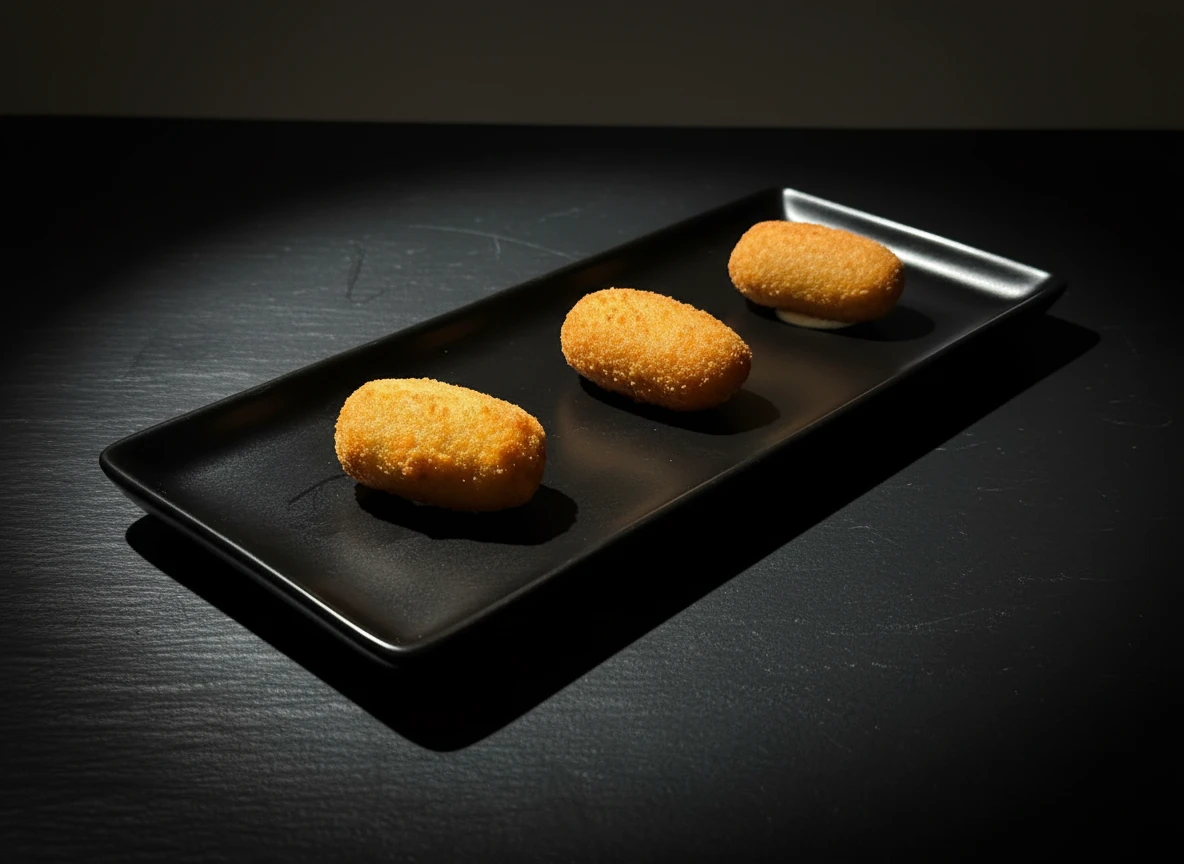
The difference between an amateur food photo and a professional one often comes down to styling. Props and backgrounds are the unsung heroes of food photography—they set the mood, tell a story, and make your dishes look irresistible without stealing the spotlight from the food itself.
In this comprehensive guide, we'll explore everything you need to know about selecting, organizing, and using props and backgrounds to create stunning food photography that captures attention and drives engagement.
Understanding the Role of Props in Food Photography
Props serve multiple purposes in food photography. They add context, create visual interest, establish a mood, and help tell the story of your dish. The key is choosing props that complement your food without overpowering it.
Think of props as supporting actors—they enhance the main star (your food) but never steal the scene. A well-chosen napkin, a vintage fork, or a sprinkle of ingredients can transform a simple dish into a compelling visual narrative.
Essential Props Every Food Photographer Needs
Building a prop collection takes time, but these essentials will cover most food photography scenarios:
1. Plates and Bowls
- White plates: Classic and versatile, they let food colors pop and work with any cuisine. Matte finishes photograph better than glossy ones.
- Dark plates: Black, navy, or dark gray plates create dramatic contrast and work beautifully for light-colored foods.
- Ceramic and stoneware: Rustic, handmade pieces add texture and character, perfect for comfort food and artisan dishes.
- Various sizes: Different plate sizes help with composition—smaller plates make portions look more generous.
2. Utensils and Cutlery
- Vintage silverware: Patinated or antique utensils add character and warmth to your shots.
- Modern minimal utensils: Clean lines for contemporary food styling.
- Wooden utensils: Spoons, spatulas, and cutting boards bring natural warmth.
- Asian utensils: Chopsticks, ceramic spoons, and bamboo mats for Asian cuisine.
3. Textiles and Linens
- Linen napkins: Natural textures in neutral colors add softness and elegance.
- Kitchen towels: Striped or solid colors provide pattern and visual interest.
- Tablecloths: Different textures and colors for layering backgrounds.
- Cheesecloth: Creates interesting texture and works well for rustic styling.
4. Glassware
- Water glasses: Simple, clear glasses add life to table scenes.
- Wine glasses: For restaurant-style photography and pairing shots.
- Mason jars: Perfect for casual, rustic aesthetics and beverages.
- Vintage glasses: Colored or textured glass adds character.
Choosing the Right Backgrounds
Backgrounds set the foundation for your entire image. The right background enhances your food while the wrong one can make even the most delicious dish look unappetizing.
Popular Background Materials
- Wood surfaces: Rustic wood boards, reclaimed wood, butcher blocks—warm and inviting for comfort food, baked goods, and farm-to-table cuisine.
- Marble and stone: Elegant and sophisticated, perfect for fine dining, desserts, and modern cuisine. Both real marble and vinyl marble sheets work well.
- Slate: Dark, dramatic backgrounds that make colorful food pop. Excellent for steaks, seafood, and gourmet dishes.
- Concrete: Industrial, modern aesthetic for contemporary food styling and minimalist compositions.
- Fabric backgrounds: Linen, canvas, or velvet for soft, editorial-style shots.
DIY Background Options
You don't need expensive materials to create professional backgrounds:
- Painted MDF boards: Paint them in various colors and textures for versatile, affordable backgrounds.
- Vinyl photography backdrops: Affordable, easy to clean, and available in countless patterns and textures.
- Contact paper: Marble, wood grain, or solid colors—great for beginners on a budget.
- Baking sheets: Weathered or seasoned baking sheets create unique, authentic backgrounds.
Color Theory for Props and Backgrounds
Understanding color relationships helps you make informed styling decisions:
- Complementary colors: Use props and backgrounds in colors opposite to your food on the color wheel for maximum contrast (e.g., blue backgrounds for orange foods).
- Analogous colors: Colors next to each other create harmonious, cohesive images (e.g., greens and yellows for salads).
- Neutral backgrounds: White, gray, black, and natural wood work with almost any food and never compete for attention.
- Monochromatic styling: Different shades of the same color family create sophisticated, editorial looks.
Styling by Cuisine Type
Different cuisines call for different styling approaches:
Italian Cuisine
Rustic wood surfaces, terra cotta plates, vintage utensils, fresh herbs, olive oil bottles, and linen napkins in earthy tones.
Asian Cuisine
Bamboo mats, dark ceramic plates, chopsticks, small sauce dishes, slate or dark wood backgrounds, minimalist styling.
Fine Dining
Marble or slate backgrounds, white or black plates with clean lines, polished silverware, crystal glassware, minimal props.
Comfort Food
Warm wood surfaces, colorful ceramic plates, vintage props, checkered napkins, cast iron skillets, cozy textiles.
Creating Depth with Layers
Professional food photography uses layering to create visual depth:
- Background layer: Your main surface (wood, marble, fabric).
- Middle ground: Napkins, cutting boards, or placemats that add texture and color.
- Hero layer: Your plate and main dish—the star of the show.
- Accent layer: Small props, ingredients, utensils that add interest without cluttering.
Common Prop Styling Mistakes to Avoid
- Over-styling: Too many props compete with your food. When in doubt, remove elements.
- Shiny surfaces: Glossy plates and surfaces create harsh reflections. Choose matte finishes.
- Mismatched styles: Keep your styling cohesive—don't mix ultra-modern with rustic farmhouse.
- Distracting patterns: Bold patterns in props or backgrounds pull focus from the food.
- Poor scale: Oversized plates make portions look small; tiny props look out of place.
Building Your Prop Collection
Great places to find food photography props:
- Thrift stores: Unique vintage pieces, ceramics, and textiles at affordable prices.
- Home goods stores: Target, HomeGoods, West Elm for modern basics.
- Restaurant supply stores: Professional-quality plates and utensils.
- Craft stores: Backgrounds, fabrics, and DIY materials.
- Online marketplaces: Etsy and eBay for unique, handmade pieces.
- Antique shops: Character-rich vintage items that tell a story.
Pro Tips for Perfect Prop Styling
- Stick to odd numbers: Groups of 3 or 5 items look more natural than even numbers.
- Create negative space: Don't fill every inch—let your image breathe.
- Add human elements: A hand reaching for food or holding a utensil adds life and scale.
- Use fresh ingredients: Scattered herbs, lemon slices, or raw ingredients add color and context.
- Consider the angle: Style for your camera angle—overhead shots need different styling than 45-degree shots.
Conclusion
Props and backgrounds are essential tools in your food photography arsenal. They transform simple dishes into compelling visual stories that capture attention and make viewers hungry.
Start with versatile basics—neutral plates, natural linens, and a few background surfaces—then gradually expand your collection as you develop your style. Remember, the best prop styling enhances your food without overpowering it.
With the right props and backgrounds, combined with good lighting and composition, you'll create food photography that stands out on social media, menus, and marketing materials.