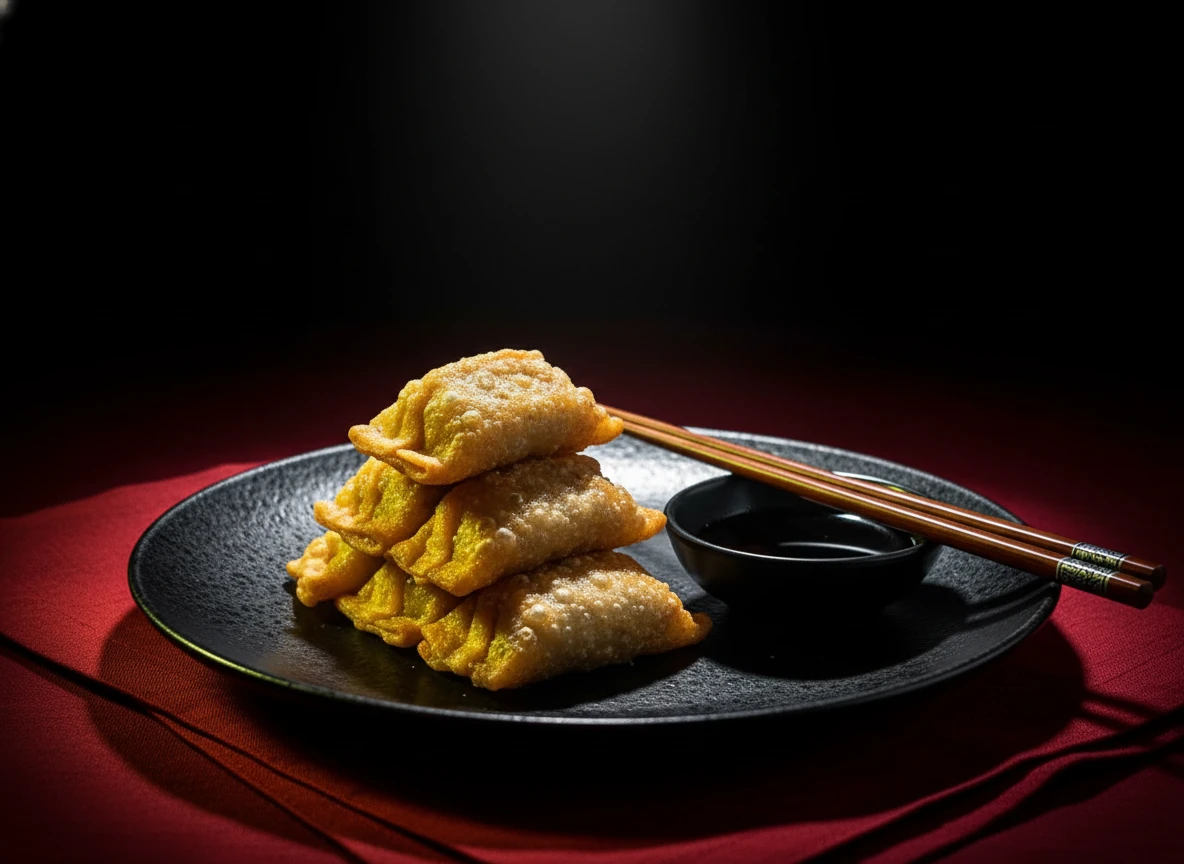
You spent hours perfecting the recipe. The flavors are balanced, the plating is intentional, and the dish looks stunning on the table. Then you pull out your phone, snap a photo, and somehow the image looks nothing like what's in front of you. The colors are off, the textures are flat, and what should look mouthwatering instead looks like cafeteria food. Sound familiar?
The gap between how food looks in person and how it looks in a photo is one of the most frustrating challenges for restaurant owners, food bloggers, and anyone who wants to showcase their culinary work. The good news is that most food photography mistakes are predictable, common, and surprisingly easy to fix once you know what to look for.
After analyzing thousands of food images and working with restaurants of every size, we've identified the 10 mistakes that ruin food photos most often. Each one comes with a clear, actionable fix you can start using today. Whether you're shooting for your restaurant menu, a delivery app listing, or your social media feed, avoiding these pitfalls will make an immediate difference in the quality of your images.
Mistake #1: Using Direct Flash or Harsh Overhead Light
This is the single most common food photography mistake, and it's the one that does the most damage. When you fire a direct flash at a plate of food, you obliterate the natural shadows and textures that make food look three-dimensional and appetizing. The result is a flat, washed-out image with harsh bright spots and unflattering dark shadows underneath the food. Glazes and sauces turn into blinding white reflections instead of looking glossy and rich.
Harsh overhead lighting from fluorescent fixtures or bare bulbs creates similar problems. The light comes straight down, casting deep shadows under every element on the plate and eliminating the subtle gradients that give food its visual depth. Restaurant dining rooms are often the worst offenders here, with overhead spotlights designed for ambiance rather than photography.
The fix: Turn off your flash entirely. Instead, position your dish near a window where soft, diffused natural light enters from the side. Side lighting is the secret weapon of professional food photographers because it creates gentle shadows that reveal texture, from the crust on a piece of bread to the glistening surface of a freshly sauced pasta. If natural light isn't available, use a softbox or even bounce your flash off a white wall or ceiling to diffuse it. For more detailed guidance on mastering food lighting, check out our complete guide to food photography lighting.
Mistake #2: Wrong Angle for the Dish
Every dish has a best angle, and shooting from the wrong one can make even the most beautiful plate of food look unrecognizable. A towering burger photographed from directly above becomes a flat circle of bun. A thin, elegant carpaccio shot from the side shows nothing but the edge of a plate. Choosing the wrong angle doesn't just miss the beauty of the dish; it actively misrepresents it.
Many people default to a single angle for every dish they shoot, usually whatever feels most natural when holding their phone. But food photography isn't one-angle-fits-all. The angle you choose should be determined by the dish's defining visual characteristics, specifically its height, layers, and the elements you want to highlight.
The fix: Match your angle to the dish. Use a flat overhead (90-degree) angle for dishes that are spread out and visually interesting from above, such as pizzas, salads, grain bowls, and charcuterie boards. Use a 45-degree angle for dishes with moderate height and detail you want to capture both on top and from the side, like pasta dishes, rice bowls, and plated entrees. Reserve the straight-on side angle for tall dishes where height is the hero: stacked burgers, layered cakes, tall cocktails, and towering sandwiches. When in doubt, take a shot from all three angles and compare. You'll quickly develop an instinct for which works best.
Mistake #3: Cluttered or Distracting Backgrounds
Your beautifully plated salmon shouldn't be competing for attention with a stack of receipts, a ketchup bottle, someone's elbow, and a half-full glass of water. Cluttered backgrounds are one of the fastest ways to turn a professional-looking food photo into a snapshot that screams "amateur." The viewer's eye doesn't know where to look, and the food itself gets lost in the visual noise.
Even backgrounds that aren't obviously messy can be distracting. A brightly patterned tablecloth, a busy tile countertop, or a background with contrasting colors can all pull focus away from the dish. The background should support the food, never compete with it.
The fix: Before you shoot, clear everything from the frame that doesn't intentionally add to the composition. Use simple, neutral surfaces, such as a clean wooden cutting board, a plain marble countertop, a matte black surface, or even a simple cloth napkin in a muted tone. If you want to include props like utensils, herbs, or ingredients, keep them minimal and intentional. Every element in the frame should feel like a deliberate choice, not an accident. A good rule of thumb: if removing an object from the frame wouldn't change the story you're telling, remove it.
Mistake #4: Over-Editing and Unrealistic Colors
The temptation to crank up the saturation, add dramatic filters, or boost the contrast to eleven is understandable. You want your food to pop. But over-editing is a trap that makes food photos look artificial, untrustworthy, and ultimately less appetizing. When the tomatoes in your salad glow neon red and the greens look radioactive, viewers immediately sense that something is off, even if they can't articulate exactly what.
Heavy-handed HDR effects, aggressive sharpening, and Instagram filters designed for landscapes or portraits are particularly problematic for food. They introduce visual artifacts, unnatural color casts, and an overall "processed" look that undermines the natural appeal of real food. Remember, the goal is to make people hungry, and no one craves a meal that looks like it's been run through five Photoshop filters.
The fix: Edit with restraint. Your adjustments should enhance what's already there, not transform the image into something the dish isn't. Start with small corrections: a slight bump in exposure if the image is dark, a gentle white balance adjustment to correct color casts, and a subtle increase in contrast to add depth. If you're unsure whether you've gone too far, compare your edited image to the original side by side. If the colors in the edited version look noticeably different from how the dish appeared in person, dial it back. Tools like Platora handle this balance automatically, enhancing food photos to look professional while keeping colors natural and realistic.
Mistake #5: Ignoring Food Styling Before the Shot
Too many people treat food photography as purely a camera exercise, when in reality, half the work happens before you ever pick up your phone. Shooting a dish exactly as it comes out of the kitchen, without any attention to presentation details, is like photographing a model without doing their hair and makeup first. The raw ingredients might be there, but the polish is missing.
Wilted garnishes, sauce smudges on the plate rim, unevenly distributed toppings, and messy plating all show up with unforgiving clarity in photographs. Your eye naturally filters out minor imperfections when you're looking at a dish on the table, but the camera captures every detail and preserves it forever. What looks acceptable in person often looks careless in a photo.
The fix: Spend 60 seconds styling before you shoot. Wipe the plate edges clean with a damp paper towel. Arrange toppings and garnishes with intention. Add a final drizzle of sauce or oil right before shooting for that fresh, glistening look. If herbs are wilting, replace them with fresh ones. Adjust the position of individual elements so they're evenly distributed and visually balanced. These tiny details compound into a dramatically more polished final image. For a comprehensive approach to food presentation, our professional food photography tips guide covers styling techniques used by the pros.
Mistake #6: Poor Composition and Framing
Centering every dish dead in the middle of the frame is the default instinct, but it's rarely the most visually interesting choice. Symmetrical center compositions can work for certain dishes, but when every single photo in your menu or feed uses the same centered framing, the result is monotonous and forgettable. Good composition guides the viewer's eye through the image and creates a sense of visual interest that makes people stop scrolling.
Another common composition error is framing too loosely, leaving too much empty space around the dish without purpose, or too tightly, cutting off parts of the plate or important elements. Both extremes weaken the image. Too loose and the food feels small and insignificant. Too tight and the viewer can't tell what they're looking at.
The fix: Learn and apply the rule of thirds. Imagine your frame divided into a 3x3 grid and place the most important element of the dish along one of the grid lines or at an intersection point. This off-center placement creates natural visual tension and interest. Vary your compositions across your photo set: some tight crops that focus on texture and detail, some wider shots that include context and props, and some standard framings that showcase the full dish. Also, pay attention to the edges of your frame. Make sure nothing important is cut off accidentally, and that the boundary of the image feels intentional.
Mistake #7: Not Shooting in Natural Light When Available
Natural light is the single most flattering light source for food photography, and it's completely free. Yet many restaurant owners and food photographers default to shooting under artificial lighting even when a window is just a few steps away. The warm, diffused quality of natural daylight renders food colors accurately, creates soft and appealing shadows, and gives images a clean, fresh quality that's very difficult to replicate with artificial lighting.
Artificial lighting, especially mixed lighting from multiple sources at different color temperatures, creates color casts that make food look unnatural. Under cool fluorescent lights, food takes on a greenish or bluish tint. Under warm tungsten bulbs, everything looks overly orange. Your eyes adapt to these color shifts automatically, but your camera records them faithfully, and the results are rarely appetizing.
The fix: Whenever possible, move the dish to the nearest window and shoot there. The best natural light for food photography is indirect, meaning the sun isn't shining directly onto the food, but rather light is bouncing into the room and arriving at the dish already softened and diffused. If the direct sun is hitting the window, hang a white sheet or place a piece of parchment paper over the window to diffuse it. Position the food so the light comes from the side or slightly behind, which creates depth and highlights texture. If you absolutely must shoot under artificial light, turn off all light sources except one to avoid mixed color temperatures, and adjust your white balance accordingly.
Mistake #8: Forgetting About Negative Space
Negative space, the empty areas in your image that don't contain the main subject, is one of the most powerful but underused tools in food photography. Many beginners try to fill every inch of the frame with food, props, and details, thinking that more content means a better photo. In reality, the opposite is often true. Without breathing room, photos feel cramped and overwhelming, and the viewer's eye has no place to rest.
Negative space serves a critical function: it directs attention to the food. When there's clean, uncluttered space around the dish, the viewer's gaze is naturally drawn to the subject. It also creates a sense of elegance and sophistication. There's a reason high-end restaurants plate small portions on large plates; the surrounding space makes the food feel special and intentional.
The fix: Intentionally leave areas of your frame empty. This doesn't mean your backgrounds need to be blank white. Negative space can be a clean section of a wooden table, an area of a textured stone surface, or a region of soft, out-of-focus background. The key is that these areas are visually quiet and don't compete with the food for attention. Try composing your shot so the dish occupies roughly 40-60% of the frame, with the remaining space providing context and breathing room. Also consider that negative space is where text overlays go if you're creating images for social media or marketing. Leaving room for text makes your photos more versatile.
Mistake #9: Using the Wrong White Balance
White balance controls how your camera interprets the color of light in a scene, and getting it wrong can make your food photos look sickly, unnatural, or just plain wrong. If the white balance is too cool, your creamy mashed potatoes look bluish-gray instead of warm and inviting. If it's too warm, your fresh green salad takes on a muddy, yellowish tint. These color shifts might seem subtle when you're looking at the image on a small phone screen, but they register with viewers on a subconscious level and make food look significantly less appetizing.
The most common white balance mistakes happen when shooting under mixed lighting, such as a restaurant with both fluorescent fixtures and window light, or a kitchen with warm overhead lights and cool LED strips. The camera doesn't know which light source to calibrate for, so it picks one and the colors from the other source look wrong. Auto white balance handles simple lighting conditions well, but it often struggles in these mixed-light environments.
The fix: If you're shooting on a smartphone, tap the screen to focus on the food and let the auto white balance adjust to the primary light source. Most modern phones do a decent job in consistent lighting. For tricky lighting situations, switch to a camera app that lets you manually set white balance, or use a preset like "Daylight," "Cloudy," or "Tungsten" that matches your primary light source. If you're editing after the fact, white balance is one of the easiest corrections to make. Look for the temperature slider in your editing app and adjust it until whites in the image (plates, napkins, tablecloths) look truly white, not blue and not yellow. When colors look accurate on those reference whites, the food will look accurate too.
Mistake #10: Not Having a Shot List or Plan
Walking into a photo session, whether it's a full menu shoot or just capturing today's special, without a plan is a recipe for wasted time and inconsistent results. Without a shot list, you'll inevitably forget dishes, shoot some items from unflattering angles because you're rushing, and end up with a collection of photos that vary wildly in style, lighting, and quality. The lack of planning also means you'll spend more time figuring out what to shoot next and less time actually refining each shot.
Planning matters especially for restaurants photographing large menus. When you're shooting 30 or 40 dishes in one session, fatigue sets in quickly. The first ten dishes get careful attention to styling, lighting, and angle. By dish thirty, you're rushing through shots just to finish. A plan keeps you organized and ensures every dish gets the same level of care.
The fix: Before you start shooting, create a simple list of every dish you need to photograph. Next to each dish, note the angle you plan to use (overhead, 45 degrees, or side), any special props or backgrounds you want to include, and any styling details to remember. Group dishes by type so you can batch your setup: shoot all the overhead dishes together, then adjust for 45-degree shots, then side angles. This batching approach saves enormous time because you're not constantly repositioning your camera and lights. Also, schedule your shoot for when natural light is at its best in your space, usually mid-morning or early afternoon, and plan to shoot the most visually important dishes first when your energy and attention are highest.
How to Systematically Improve Your Food Photography
Knowing the mistakes is the first step. Systematically eliminating them is what actually transforms your food photography. The good news is that you don't need to fix everything at once. Start with the mistake that's costing you the most, which for most people is lighting, and nail that before moving on to the next.
Here's a practical approach: choose one dish and photograph it multiple times, each time fixing one of the mistakes listed above. Compare the results side by side. You'll see dramatic improvement in just a few iterations, and the lessons will carry over to every dish you photograph going forward. Keep a reference folder of your best shots so you can maintain visual consistency across your menu and social media posts.
Technology can also accelerate your improvement curve. AI-powered tools like Platora can correct many of these mistakes automatically, from adjusting lighting and white balance to cleaning up backgrounds and optimizing colors. Even if you're working on mastering the fundamentals, AI enhancement can bridge the gap between where your skills are now and the professional-quality images your business needs today. The combination of improving technique and smart AI tools is the fastest path to food photos that truly do your dishes justice.