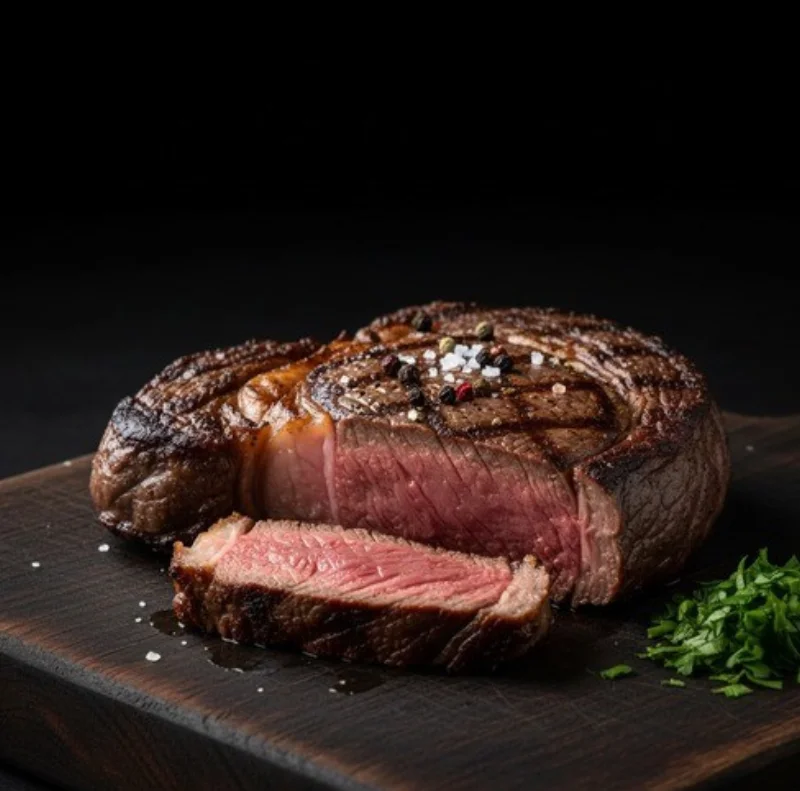
Lighting is the single most important factor in food photography. You can have the most beautifully styled dish, the perfect composition, and the best camera—but without proper lighting, your images will fall flat. Great lighting makes food look fresh, appetizing, and three-dimensional.
In this comprehensive guide, we'll explore everything you need to know about lighting for food photography, from using natural light effectively to setting up professional artificial lighting.
Understanding Light Direction
The direction of light dramatically affects how your food looks. Here are the main lighting positions and when to use each:
Back Lighting (The Gold Standard)
Back lighting is considered the most flattering for food photography. The light source is positioned behind the food, facing toward the camera. This creates:
- Beautiful highlights on liquids, sauces, and glossy surfaces
- Depth and dimension in the image
- A natural, inviting glow around the food
- Enhanced steam and vapor visibility
Side Lighting
Side lighting (light coming from the left or right at roughly 90 degrees) creates dramatic shadows that add texture and depth. It's excellent for:
- Highlighting textures like crusty bread, grilled meat, or crispy coatings
- Creating moody, dramatic images
- Adding dimension to flat subjects
45-Degree Angle Lighting
Light positioned at a 45-degree angle (between back and side lighting) offers a versatile balance. This is often the most forgiving position for beginners, providing good texture detail while maintaining appetizing highlights.
Front Lighting (Use Sparingly)
Front lighting (light facing the food from the camera's position) tends to flatten images and remove shadows. It's rarely used in professional food photography because it eliminates the depth and dimension that make food look appetizing. Avoid using on-camera flash for this reason.
Natural Light Food Photography
Natural light is free, beautiful, and the preferred choice for many food photographers. Here's how to use it effectively:
Finding the Perfect Window
Not all windows are created equal for food photography:
- North-facing windows (in the Northern Hemisphere) provide the most consistent, soft light throughout the day
- Large windows create softer, more even light than small windows
- Avoid direct sunlight streaming through windows—it creates harsh, unflattering shadows
- Look for windows with indirect light—bright but not direct sun
Best Times for Natural Light
- Overcast days: Clouds act as a giant natural diffuser, creating soft, even light
- Golden hour: Early morning and late afternoon light is warm and flattering
- Avoid midday: Harsh overhead sun creates unflattering shadows
Diffusing Natural Light
When natural light is too harsh, you need to diffuse it:
- Sheer white curtains: An easy, affordable solution
- Diffusion panels: Professional-grade options from photography stores
- White shower curtains: A budget-friendly alternative that works well
- Frosted window film: A permanent solution for dedicated shooting spaces
Using Reflectors and Fill Light
One of the biggest challenges in food photography is managing shadows. Reflectors bounce light back into shadow areas, creating more even illumination without adding another light source.
White Reflectors
White foam board is the food photographer's secret weapon. Position it opposite your light source to bounce soft light into shadows. It's affordable, lightweight, and creates natural-looking fill light.
Silver Reflectors
Silver reflectors bounce more light than white ones, creating brighter fill. Use them when you need more punch, but be careful—they can create hotspots and look unnatural if overused.
Black Cards (Negative Fill)
Sometimes you want more shadow, not less. Black cards absorb light instead of reflecting it, creating deeper shadows and more dramatic images. Position them to add depth and dimension to your food.
Artificial Lighting for Food Photography
While natural light is beautiful, it's also inconsistent and time-limited. Artificial lighting gives you complete control and the ability to shoot anytime.
Continuous LED Lights
LED panels have become the go-to choice for many food photographers because:
- What you see is what you get—easy to position
- Adjustable brightness and often color temperature
- No heat (unlike traditional continuous lights)
- Energy efficient and long-lasting
- Great for both photo and video
Strobe/Flash Lighting
Studio strobes offer the most power and control, but they have a steeper learning curve. Benefits include:
- Extremely powerful—can overpower any ambient light
- Freezes motion perfectly (great for action shots)
- Consistent color temperature
- Cool running (don't melt your ice cream)
Essential Light Modifiers
Raw light from any source is usually too harsh. Here's how to shape it:
- Softboxes: Create soft, diffused light; rectangular shapes mimic window light
- Umbrellas: Affordable option for soft light; shoot-through or reflective
- Strip lights: Long, narrow softboxes for controlled rim lighting
- Diffusion fabric: Can be hung between the light and subject
- Grids and snoots: Focus light into a specific area
Common Lighting Setups
Setup 1: Single Light + Reflector
The simplest professional setup:
- Position your main light at a 45-degree angle behind the food
- Place a white reflector opposite to fill shadows
- Adjust the reflector distance to control fill intensity
Setup 2: Two-Light Setup
For more control:
- Main light positioned behind/to the side (key light)
- Second, dimmer light for fill (set 1-2 stops lower)
- Creates more polished, controlled results
Setup 3: Dramatic Single Light
For moody images:
- Single light source from the side
- No reflector—let shadows go dark
- Use black cards to deepen shadows further
Troubleshooting Common Lighting Problems
Problem: Harsh Shadows
Solutions: Move light source further away; use larger light source or diffuser; add reflector fill
Problem: Flat, Lifeless Images
Solutions: Move light to side or back position; reduce fill light; add black cards for contrast
Problem: Hot Spots/Glare
Solutions: Adjust light angle; use matte surfaces; increase diffusion; spray with dulling spray
Problem: Unnatural Color
Solutions: Set correct white balance; use daylight-balanced bulbs; avoid mixing light sources
AI-Powered Lighting Enhancement
Even with imperfect lighting, AI tools can help enhance your food photos. Tools like Platora can:
- Intelligently adjust shadows and highlights
- Correct color temperature issues
- Enhance the appearance of lighting in post-processing
- Create consistent lighting looks across multiple images
Conclusion
Mastering light is a journey, not a destination. Start with natural window light and a simple white reflector. As you become comfortable, experiment with different directions, modifiers, and eventually artificial lighting.
Remember: the best light for food photography is soft, directional, and creates appetizing highlights while maintaining detail in shadows. Practice observing light in your environment, and you'll develop an intuitive understanding of how to create beautiful food images.