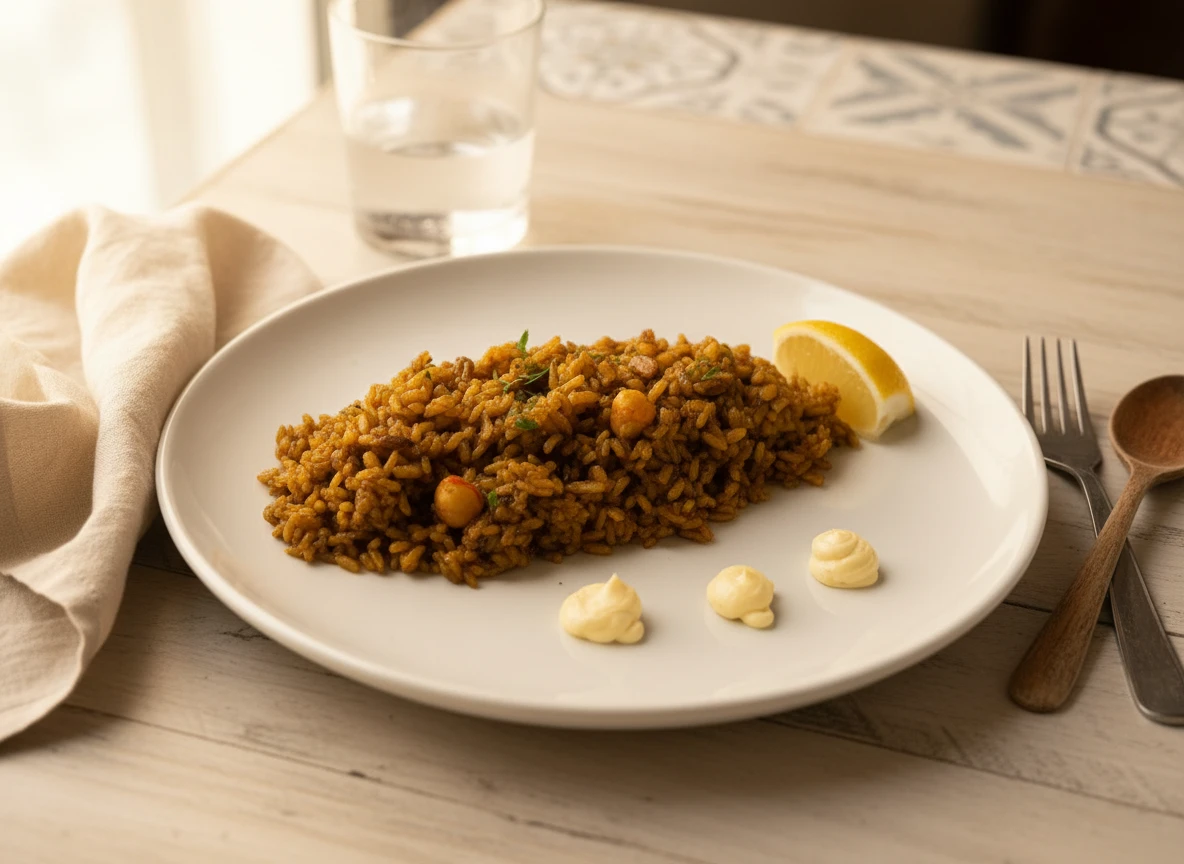
Flat lay photography—shooting directly from above at a 90-degree angle—is one of the most popular and visually striking techniques in food photography. From Instagram feeds to restaurant menus and delivery app listings, the overhead shot showcases dishes in a way no other angle can. It reveals the full composition of a plate, the arrangement of ingredients, and the relationship between multiple dishes on a table.
This guide covers everything you need to master flat lay food photography: which dishes work best from above, how to compose your layout, what equipment you need, and the styling techniques that separate amateur overhead shots from professional ones.
When to Use Flat Lay vs. Other Angles
Not every dish benefits from an overhead shot. Understanding when to use flat lay versus other food photography angles is key to choosing the right approach.
Flat Lay Works Best For:
- Pizzas and flatbreads: The toppings are the star—overhead shows everything
- Salads and grain bowls: Beautiful color contrast and ingredient variety visible from above
- Charcuterie and grazing boards: The arrangement and abundance is the appeal
- Breakfast spreads: Multiple plates, mugs, and utensils create a lifestyle story
- Sushi platters: The geometric patterns and color precision shine from above
- Soups and stews: Garnishes and swirls on the surface become focal points
- Tapas and small plates: Multiple dishes create visual rhythm and variety
Avoid Flat Lay For:
- Tall dishes: Burgers, layered cakes, and stacked pancakes lose their height and drama from above
- Drinks with layers: Cocktails and layered lattes need a side view to show the gradient
- Dishes with steam: Steam rises toward the camera, fogging the lens and hiding the food
Essential Equipment for Flat Lay
Camera or Smartphone
Any camera with manual controls works for flat lay. Modern smartphones are also excellent thanks to their wide-angle lenses—just make sure to hold the phone perfectly level. The key is a wide enough focal length (24-35mm equivalent) to capture the full scene without having to shoot from too high up.
Tripod with Overhead Capability
This is the most important piece of gear for flat lay. You need a tripod that can position the camera directly above the scene pointing straight down. Options include:
- Center column inversion: Many tripods let you flip the center column upside down and mount the camera between the legs
- Horizontal center column: Some tripods have a 90-degree swivel on the center column
- Overhead arm/boom: Dedicated overhead rigs extend a horizontal arm over the table
- C-stand with arm: Professional option that's rock-solid and adjustable
Backgrounds and Surfaces
Your background is fully visible in flat lay, making it a critical design element. Popular choices include:
- Natural wood: Warm, rustic feel—works with homestyle and artisan dishes
- Marble or stone: Clean, elegant—ideal for pastries and fine dining
- Dark slate: Dramatic contrast—makes colorful dishes pop
- Linen or textured fabric: Adds softness and a lived-in quality
- Solid colors (white, black, gray): Neutral, distraction-free—best for commercial and menu photography
For more on selecting props and backgrounds, see our dedicated guide.
Composition Layouts for Flat Lay
Strong composition is what separates a snapshot from a professional flat lay. Here are the most effective layout patterns:
1. The Center Hero
Place the main dish dead center and arrange supporting elements (utensils, ingredients, garnishes) around it in a balanced pattern. This is the simplest and most commercial layout—perfect for menu photography and delivery apps where the food needs to be the undeniable focal point.
2. The Rule of Thirds Grid
Position your main dish at one of the four intersection points on a rule-of-thirds grid. Use the remaining space for supporting props, negative space, or secondary dishes. This creates a more dynamic, editorial feel that works beautifully for social media and blog content.
3. The Diagonal Flow
Arrange elements along a diagonal line from one corner to the opposite. This creates movement and visual energy. It works especially well for multiple small dishes, like a row of tapas or a progression of courses. The viewer's eye naturally follows the diagonal path across the frame.
4. The Scattered Organic
Distribute elements with intentional randomness—scattered herbs, breadcrumbs, ingredients around the main dish. This creates a natural, "in-the-kitchen" feeling. The trick is balancing randomness with an underlying visual structure so it looks effortless rather than messy.
5. The Full Table Spread
Fill the entire frame with multiple dishes, utensils, glasses, napkins, and hands reaching for food. This lifestyle storytelling approach is perfect for restaurant branding, social media hero images, and conveying the communal joy of sharing a meal. It works best with 4-8 dishes of varying sizes.
Lighting for Flat Lay
Lighting is trickier in flat lay than other angles because shooting straight down means your camera (and body) are directly above the food, potentially casting shadows. Here's how to handle it:
Side Lighting is Key
Position your main light source to one side of the scene, not above. A large window to the left or right provides beautiful, soft natural light. If you're using artificial lights, angle them from the side at roughly 30-45 degrees above the table surface.
Diffuse Everything
Flat lay shows the entire surface area of food—any harsh light creates strong shadows that can obscure details. Use a large diffuser (sheer curtain, translucent panel, or even a white bedsheet) between the light source and your food. The bigger the diffuser, the softer the shadows.
Fill the Shadows
Place a white foam board or reflector on the opposite side of your light source. This bounces light back into the shadowed areas, creating even, wrapping illumination that keeps every ingredient visible and appetizing.
Styling Tips for Better Flat Lays
Beyond composition and lighting, styling details make or break a flat lay. Here are the techniques professionals use:
- Vary plate sizes and shapes: Mix round plates with rectangular boards and small bowls. Uniform plates create monotony; variety creates visual interest.
- Add layers of texture: A linen napkin, a rustic cutting board, or a piece of parchment paper underneath a plate adds depth to the composition.
- Use odd numbers: Three lemon slices, five cherry tomatoes—odd numbers create more natural, visually pleasing arrangements than even numbers.
- Scatter purposefully: Herbs, spices, crumbs, and ingredient scraps scattered around plates add life. Place them with tweezers for precision, then slightly shift them for a natural look.
- Include human elements: A hand holding a fork, fingers tearing bread, or arms reaching for a dish transforms a still life into a story.
- Mind the edges: In flat lay, elements at the edges of the frame get cut off. Either keep items fully within the frame or let them extend deliberately off the edges—half-in, half-out looks unintentional.
Common Flat Lay Mistakes
- Camera not level: Even a slight tilt creates perspective distortion—plates become ovals, straight lines converge. Use a bubble level or your camera's electronic level.
- Too much negative space: Empty areas with no purpose make the scene feel sparse. Fill the frame or crop tighter.
- Cluttered composition: The opposite problem—too many props competing with the food. Every element should support the hero dish, not distract from it.
- Visible camera shadow: Your camera and tripod above the scene can cast shadows directly onto the food. Check for this and adjust your lighting position.
- Choosing the wrong dish: Tall foods (burgers, parfaits, stacked sandwiches) lose their appeal from above. Use a 45-degree or straight-on angle instead.
- Ignoring color relationships: In flat lay, every color in the frame is visible at once. Clashing colors or monotone palettes weaken the image. Plan your color story before shooting.
Flat Lay for Delivery Apps and Menus
Flat lay is particularly effective for delivery app photography and menu design because:
- It shows the entire dish in one shot—nothing is hidden behind garnishes or angles
- It works perfectly for the square format used by Grubhub and other platforms
- It's easy to maintain visual consistency across your menu when all shots use the same overhead angle and background
- Customers get an accurate view of what they'll receive, reducing disappointment
For specific platform image requirements, check our delivery app photo requirements guide.
Enhancing Flat Lay Photos with AI
Even well-shot flat lays can benefit from post-processing. AI tools like Platora can take your overhead shots to the next level by:
- Perfecting the lighting balance across the entire frame
- Cleaning up backgrounds and removing unwanted elements
- Enhancing food colors for maximum appetite appeal
- Creating consistent edits across your full menu of flat lay shots
Conclusion
Flat lay photography is a versatile, powerful technique that belongs in every food photographer's toolkit. Master the fundamentals—level camera, side lighting, strong composition, purposeful styling—and you'll produce overhead shots that stop scrollers and drive orders.
For more techniques to elevate your food photography, explore our guides on professional food photography tips and food photography editing.