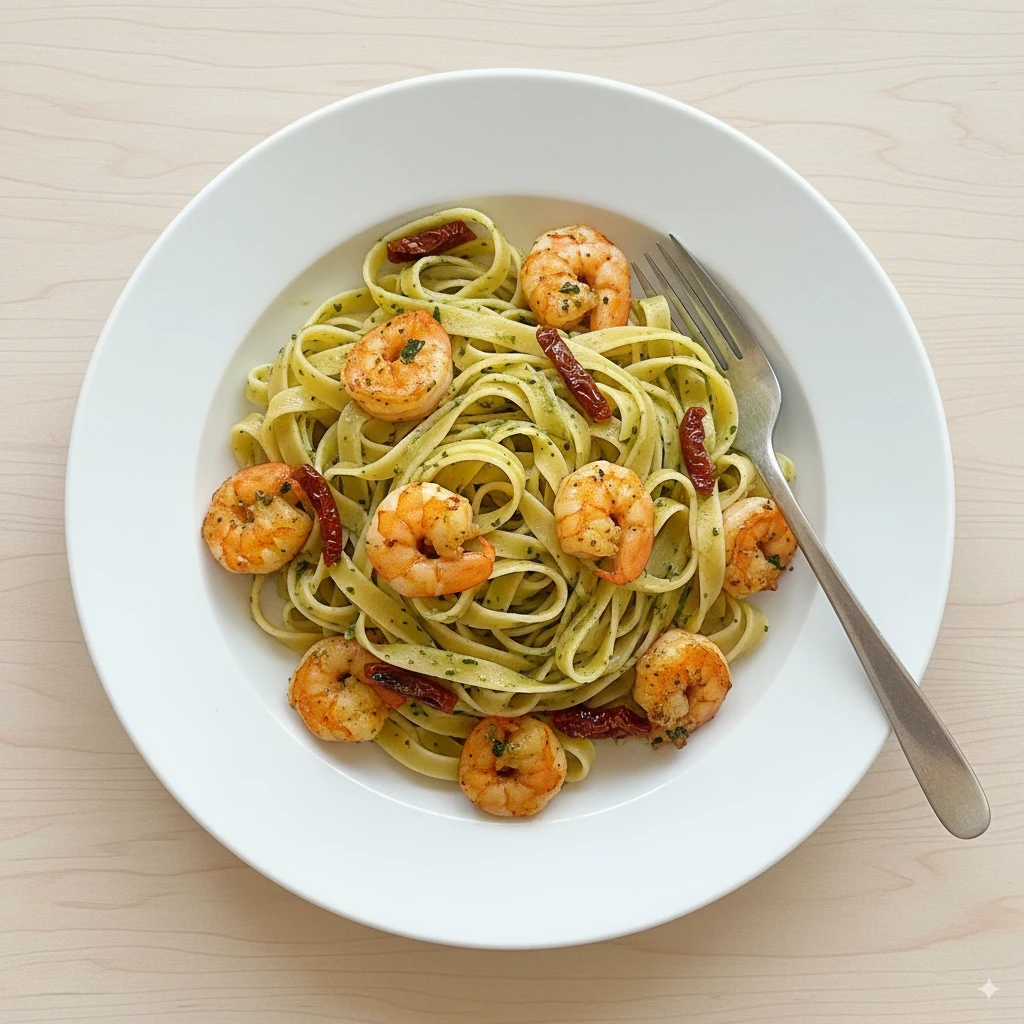
Bright and airy food photography is one of the most popular and universally appealing visual styles in food imagery today. Defined by soft natural light, white or light-toned backgrounds, gentle shadows, and a clean luminous quality, this aesthetic makes food look fresh, inviting, and effortlessly beautiful. It is the visual language of health-conscious brunch spots, artisan bakeries, smoothie bowls, and fresh salads -- and it dominates platforms like Instagram and Pinterest where clean, light-filled images consistently earn the highest engagement.
The bright and airy style communicates freshness, purity, and approachability. When a viewer sees a luminous photo of a perfectly plated salad on a white marble surface with soft window light spilling across the frame, they immediately associate the food with health, quality, and care. This psychological connection makes the style especially powerful for brands and restaurants that want to project a modern, clean, and wellness-oriented identity.
But achieving that effortless, light-filled look requires intentional technique. It is not simply a matter of turning up the brightness slider. From lighting and camera settings to backgrounds, styling, composition, and post-processing, every choice must work together to create that signature luminous feel. This guide walks you through each element in detail so you can master the bright and airy style -- whether you are shooting for a restaurant menu, a food blog, or social media content. For foundational techniques that apply to all food photography styles, start with our essential food photography tips.
What Defines Bright & Airy Photography?
The bright and airy aesthetic is a high-key photography style characterized by an abundance of light, minimal shadows, and a predominantly white or pastel color palette. While dark and moody photography draws the eye inward with shadows and contrast, bright and airy photography does the opposite -- it opens the frame up, flooding it with light and creating a sense of space, freshness, and ease.
The defining characteristics of this style include:
- High-key lighting: The overall exposure is bright, with the majority of the frame filled with light tones. Shadows are soft and subtle rather than deep and dramatic.
- Soft, diffused shadows: Rather than eliminating shadows entirely, bright and airy photography uses them sparingly and softly. They provide just enough dimension to keep the image from looking flat, but never dominate the scene.
- White and light backgrounds: The surfaces and backgrounds are predominantly white, cream, pale grey, or light pastels. These surfaces reflect light back into the scene, reducing contrast and enhancing the luminous quality.
- Pastel and natural tones: The color palette leans toward soft, desaturated hues -- pale greens, soft pinks, light yellows, and natural earth tones. Bold, saturated colors are used sparingly as accents rather than dominant elements.
- Generous negative space: Bright and airy compositions embrace empty space. The food does not fill the entire frame. Instead, open areas of light background create breathing room that makes the image feel calm and uncluttered.
- Slightly overexposed feel: The overall image may appear slightly brighter than "correct" exposure. Whites are pushed toward pure white, and the midtones are lifted to create that characteristic ethereal, glowing quality.
This style has its roots in Scandinavian design philosophy -- clean, minimal, functional, and bathed in natural light. It has become the default aesthetic for wellness brands, modern bakeries, farm-to-table restaurants, and health food content creators because it visually reinforces their brand values of simplicity, freshness, and natural quality.
Bright & Airy vs Dark & Moody
These two styles sit at opposite ends of the food photography spectrum, and understanding when to use each is essential. Here is a direct comparison:
| Aspect | Bright & Airy | Dark & Moody |
|---|---|---|
| Lighting | High-key, diffused, even | Low-key, directional, dramatic |
| Shadows | Soft, minimal | Deep, pronounced |
| Backgrounds | White, cream, pastels | Black, dark wood, slate |
| Mood | Fresh, clean, inviting | Rich, dramatic, indulgent |
| Best for | Salads, brunch, pastries, health food | Steaks, chocolate, wine, stews |
| Brand fit | Wellness, modern, casual | Fine dining, artisan, luxury |
Neither style is objectively better -- they serve different purposes and different foods. Many professional food photographers are fluent in both and choose based on the subject and the story they want to tell. For a deep dive into the dark side, explore our dark and moody food photography guide.
Lighting Setup for Bright & Airy Shots
Lighting is the foundation of the bright and airy look. Without the right light, no amount of editing or prop selection will create that luminous, open quality. The good news is that this style relies primarily on natural light, which is free and available to everyone. For a comprehensive overview of all lighting approaches, see our food photography lighting guide.
Window Light Is Everything
A large window with indirect natural light is the single most important tool for bright and airy food photography. North-facing windows (in the Northern Hemisphere) provide the most consistent, soft, diffused light throughout the day because they never receive direct sunlight. East or west-facing windows work well during off-peak hours when the sun is not streaming in directly. South-facing windows can work if you have sheer curtains to diffuse the light. The key is that the light should be soft, even, and wrapping -- not harsh and directional.
Diffusion Panels
If your window light is too harsh or direct, a diffusion panel placed between the window and your subject softens and scatters the light, creating that characteristic gentle, even illumination. You can purchase professional diffusion panels or make your own by stretching a white bedsheet or shower curtain over a frame. Even a large sheet of white tracing paper taped to the window works in a pinch. The diffuser should be as large as possible -- the larger the light source relative to the subject, the softer the shadows.
Reflectors and White Bounce Cards
In bright and airy photography, the side of the food opposite the window will naturally be in shadow. While dark photography embraces those shadows, the airy style requires filling them in to maintain the overall brightness. Place a white foam board, white cardboard, or a commercial reflector on the shadow side of your setup to bounce light back onto the food. This fills the shadows without adding a second light source, keeping the light natural and soft. For maximum effect, position the reflector close to the subject -- the closer it is, the more light it bounces back and the softer the fill. Some photographers use two reflectors: one to the side and one below, angled upward to fill shadows under the food and beneath plate rims.
Avoid Mixed Lighting
One of the most common mistakes in bright and airy photography is mixing natural light with artificial light. Overhead kitchen lights, lamps, and ceiling fixtures introduce color casts (usually warm orange or cool fluorescent green) that fight against the clean, neutral quality of natural light. Before you shoot, turn off all artificial lights in the room. Work with natural window light only, supplemented by reflectors for fill. This keeps your whites clean, your colors accurate, and your overall image looking fresh and true to life.
Camera Settings
The right camera settings are crucial for achieving the bright, luminous exposure that defines this style. Unlike dark photography where you underexpose, bright and airy photography requires a deliberate push toward overexposure -- but controlled, so you do not blow out critical details in the food.
- Exposure compensation (+0.3 to +1.0 EV): This is the single most important setting for bright and airy photography. Dial in positive exposure compensation to push the overall brightness beyond what the camera's meter considers "correct." Start at +0.3 EV and increase until the image feels light and airy without losing detail in the whites of the food or plate. The histogram should be shifted right, with highlights approaching but not clipping.
- Wide aperture (f/2.8 to f/4): A wide aperture creates a shallow depth of field that softly blurs the background, adding to the dreamy, ethereal quality. The out-of-focus areas blend into the bright background seamlessly. For overhead flat lays, use f/5.6 to f/8 to keep the entire scene sharp.
- Low ISO (100-400): Keep the ISO as low as possible to maintain clean, noise-free images. With abundant natural light from a window, ISO 100-200 is usually sufficient. Clean shadows and smooth gradients are essential for the polished bright look.
- White balance slightly warm (5500-6500K): Set your white balance slightly warmer than neutral to add a subtle golden warmth to the light. This prevents the image from looking cold or clinical. Auto white balance works for most situations, but manual adjustment gives you more control over that inviting, warm glow.
- Shoot in RAW: Always shoot in RAW format. The bright and airy style relies heavily on post-processing adjustments to shadows, highlights, and white balance. RAW files give you far more latitude to push exposure and recover details compared to JPEG.
If you are shooting with a smartphone, tap on the brightest area of the frame and then slide the exposure slider upward. Most modern phones also offer a pro or manual mode where you can adjust ISO and white balance directly.
Backgrounds & Surfaces
The background and surface you choose set the entire tone for a bright and airy image. These surfaces need to reflect light, keep the overall frame bright, and complement the food without competing for attention. For a broader exploration of background options, see our props and backgrounds guide.
- White marble: The quintessential bright and airy surface. White marble with subtle grey veining adds visual interest and texture while maintaining the overall brightness. It reflects light beautifully and works with virtually any dish. Real marble tiles from a home improvement store are an affordable option.
- Light wood: Pale birch, whitewashed pine, or light oak surfaces bring warmth and organic texture to the frame without darkening it. They work especially well for bakery items, brunch dishes, and anything with a rustic or natural brand identity.
- White or cream linen: A rumpled white linen tablecloth or napkin adds softness and texture. The fabric creates gentle folds and shadows that add dimension to the image while staying firmly within the bright palette. Linen is more photogenic than cotton because its natural wrinkles create interesting light patterns.
- Parchment paper: Simple, inexpensive, and surprisingly effective. Crumpled and flattened parchment paper creates a beautiful textured surface for baked goods, cookies, and pastries. It adds an artisanal, just-out-of-the-oven quality to the image.
- White painted boards: Plywood or MDF boards painted with matte white or off-white chalk paint are versatile, lightweight, and inexpensive to make. Create subtle texture by applying the paint with a dry brush technique, leaving visible brush strokes that catch the light in interesting ways.
A practical tip: invest in two or three different light surfaces and rotate them based on the food and the story you want to tell. White marble for elegance, light wood for warmth, and linen for softness will cover the vast majority of bright and airy scenarios.
Styling for the Bright Look
Food styling for bright and airy photography emphasizes freshness, color, and simplicity. Every element in the frame should feel intentional, clean, and visually light. Here are the key principles:
Fresh Ingredients as Hero Elements
Bright and airy photography thrives on the visual appeal of fresh, vibrant ingredients. Scatter fresh herbs like basil, mint, or microgreens around the plate for pops of green. Add sliced citrus, fresh berries, or edible flowers for color accents. These elements look their best in bright light, where their colors can truly sing. The key is to use them sparingly -- a few strategically placed elements create more impact than an overwhelming abundance.
Light-Colored Plates and Dishware
White, cream, or light grey plates are the foundation of bright food styling. They reflect light back onto the food, keep the frame bright, and let the food colors take center stage. Matte finishes are generally more photogenic than glossy ones because they do not create distracting reflections. Simple, rimless plates or plates with subtle organic shapes work best -- ornate patterns compete with the food for attention.
Negative Space and Minimalism
One of the hallmarks of the bright and airy style is generous negative space. Do not fill every inch of the frame. Leave open areas of background visible around the food, props, and supporting elements. This breathing room is what creates the "airy" part of bright and airy -- it gives the image a sense of openness, calm, and elegance. Resist the impulse to add more props to fill gaps. The empty space is doing important visual work.
Minimal, Curated Props
Keep props simple and light-toned. A white or natural linen napkin, a simple glass of water, a small bowl of fresh ingredients, or a light-colored utensil is usually enough. Avoid cluttering the scene with too many elements. Every prop should serve a purpose -- either supporting the story of the dish or adding a subtle touch of color or texture. When in doubt, remove a prop rather than add one.
Composition Techniques
Composition in bright and airy photography favors openness, balance, and a sense of breathing room. The light, open backgrounds give you more flexibility with placement, but the principles of strong composition still apply. For an in-depth look at food photography composition, see our composition guide.
Rule of Thirds with Space
Place your main dish at one of the rule-of-thirds intersection points, leaving the remaining two-thirds of the frame as bright, open space. This creates a composition that feels balanced but not centered, dynamic but not chaotic. The open space does not feel empty because the bright background fills it with light. The result is an image that feels spacious and inviting, drawing the eye naturally to the food.
Overhead Flat Lays
The overhead or flat lay perspective is one of the most popular angles for bright and airy food photography. Shooting directly from above captures the full surface of the dish and the background, creating a graphic, design-like composition. This angle works especially well for flat dishes like pizza, open-faced sandwiches, salads, and smoothie bowls, as well as multi-element scenes with several small plates and ingredients arranged artfully across the surface. Use a slightly narrower aperture (f/5.6 to f/8) to keep everything in focus when shooting flat lays.
Diagonal Placement
Placing elements along a diagonal line through the frame adds energy and visual flow to bright and airy compositions. A plate at the lower left with a small bowl of garnish at the upper right, connected by a scattered trail of herbs or a folded napkin, creates a dynamic diagonal that guides the viewer's eye through the image. Diagonals feel more natural and energetic than perfectly horizontal or vertical arrangements, and they make efficient use of the rectangular frame.
Post-Processing Workflow
Post-processing is where you refine and perfect the bright and airy look. Even with excellent lighting and styling, editing brings everything together and gives your images that polished, consistent aesthetic. For a complete guide to food photo editing techniques, see our food photography editing guide.
Here is the step-by-step editing workflow for bright and airy food photos:
- Lift the shadows: This is the most important edit. Pull the shadows slider up significantly (+30 to +60) to brighten the darker areas of the image. This reduces overall contrast and creates that characteristic flat, luminous quality where nothing in the frame feels truly dark.
- Reduce contrast: Pull the contrast slider down slightly (-10 to -25). This further flattens the tonal range, pushing the image toward the soft, even look that defines the style. The food should still have definition and detail, but the transition from light to dark areas should feel smooth and gentle.
- Brighten whites and highlights: Push the whites slider up (+15 to +30) to make bright areas even brighter. Be careful not to clip the highlights entirely -- you want luminous whites, not blown-out patches with zero detail. Check your histogram and pull back if the highlights are hitting the right edge.
- Desaturate slightly: Reduce overall saturation by a small amount (-5 to -15). This gives the colors a softer, more pastel quality that is characteristic of the airy look. Then selectively boost saturation in the food itself using HSL sliders or local adjustments to make it pop against the softened background.
- Add warmth: Shift the white balance slightly toward the warm side (+200 to +500K or a nudge of the temperature slider toward yellow). This adds a subtle golden glow that feels inviting and natural, preventing the bright image from looking sterile or clinical.
- Sharpen selectively: Apply sharpening primarily to the food using a mask or local adjustment. Keep the background and negative space soft to maintain the dreamy quality. Over-sharpening the entire image can make it look harsh and work against the soft aesthetic.
If you want to skip the manual editing process entirely, AI tools like Platora can automatically apply professional bright and airy styling to your food photos, handling the exposure, color grading, and tonal adjustments in seconds.
Best Food Types for Bright & Airy Style
While the bright and airy style can work for many dishes, certain foods are natural fits for this aesthetic. These are the categories where the light, clean look truly shines:
- Salads and grain bowls: Fresh greens, colorful vegetables, and wholesome grains look their most vibrant and appetizing in bright, natural light. The light background reinforces the association with health and freshness.
- Smoothie bowls and acai bowls: The vibrant purples, pinks, and greens of smoothie bowls pop beautifully against white backgrounds. Toppings like granola, coconut flakes, and fresh fruit create lovely texture and color contrast.
- Pastries and baked goods: Croissants, scones, cinnamon rolls, and artisan bread look irresistible in bright, airy light. The golden-brown tones of baked goods glow warmly against white surfaces, and the soft light reveals the flaky, layered textures that make these foods so appealing.
- Brunch dishes: Avocado toast, eggs Benedict, pancake stacks, and fresh fruit platters are practically synonymous with the bright and airy style. These morning and midday meals carry inherent associations with sunlight and leisure that the aesthetic reinforces perfectly.
- Seafood: Light fish dishes, shrimp, ceviche, and sushi look clean and fresh in bright, natural light. The delicate colors and textures of seafood benefit from soft, even illumination that reveals subtle detail without harsh shadows.
- Light desserts: Macarons, pavlova, fruit tarts, panna cotta, and meringues are designed for bright photography. Their pastel colors and delicate forms are enhanced by the soft, luminous quality of this style.
- Fresh juices and light beverages: Pressed juices, iced teas, and infused waters in clear glasses catch and transmit light beautifully. The transparent, colorful liquids practically glow when backlit or side-lit by natural window light.
As a general rule, if the food is associated with freshness, health, lightness, or morning and daytime eating occasions, the bright and airy style is likely the right choice. Foods that are dark, heavy, rich, or associated with evening dining are usually better served by the dark and moody approach.
Conclusion
Bright and airy food photography is a timeless, universally appealing style that communicates freshness, quality, and approachability. By mastering natural window light with diffusion and reflectors, choosing light-toned backgrounds and surfaces, keeping your styling minimal and fresh, composing with generous negative space, and refining your images with a consistent post-processing workflow, you can create food photos that feel professional, polished, and effortlessly beautiful.
The beauty of this style lies in its simplicity. You do not need an elaborate studio setup, expensive lighting equipment, or dozens of props. A large window, a white reflector, a few light-colored surfaces, and fresh food are all you need to start creating stunning bright and airy images that will elevate your restaurant menu, food blog, or social media presence.
Whether you are styling a salad for Instagram, photographing pastries for a bakery website, or shooting a full brunch spread for a restaurant brand, the bright and airy approach will make your food look its absolute best. And if you want to achieve this luminous, professional look instantly, Platora can transform your food photos with bright and airy styling in seconds -- just upload your image and let the AI handle the rest.